Water in every form
A silent mokoro through the Okavango’s channels, a sunrise balloon over the Delta, Victoria Falls, and a Zambezi sunset cruise along nine miles of private riverfront.
Mokoro through the Okavango, the Smoke that Thunders, walking South Luangwa, Etosha’s waterholes and Sabi Sand leopards
See Pricing & Inclusions ↓OverviewA twenty-seven day odyssey across the best of Southern Africa. It begins in the watery wilderness of the Okavango Delta, stands before Victoria Falls, walks among leopards in South Luangwa and drifts the Zambezi at sunset, crosses Namibia’s Etosha, and culminates in South Africa with Big Five safaris in the Sabi Sand and the coastal beauty of the Garden Route.
| Best For | Travellers with the time to see Southern Africa in one continuous journey |
| Duration | 27 Days / 26 Nights |
| Route | Botswana → Zimbabwe → Zambia → Namibia → South Africa |
| Group Size | Private or small group — guided throughout |
| Price From | $52,400 per person sharing |
Chief’s Camp in the Moremi Game Reserve, on the finest game-viewing traverse in Southern Africa
A traditional mokoro through the Okavango’s channels, poled and silent
A sunrise hot-air balloon over the Delta
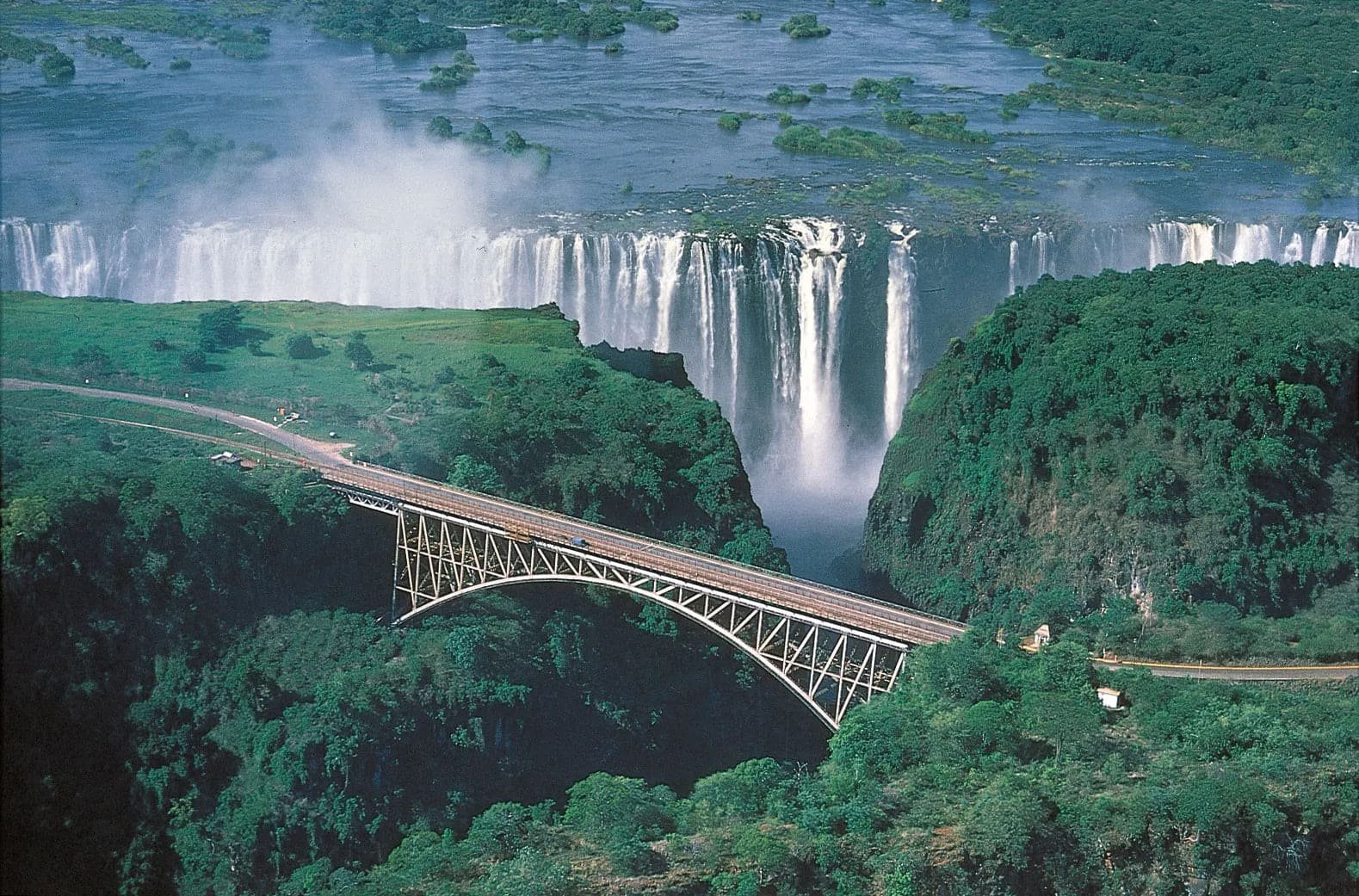
Victoria Falls — the largest sheet of falling water in the world — and a private Matetsi reserve
A Zambezi sunset cruise along nine miles of private riverfront
Walking safaris in South Luangwa, the park that invented them
Night drives for leopard, in one of the highest-density leopard areas in Africa
A canoe safari on the Lower Zambezi
Etosha’s waterholes, night drives and the historic Namutoni Fort
Four nights of Sabi Sand leopards, then whales off Plettenberg Bay in season
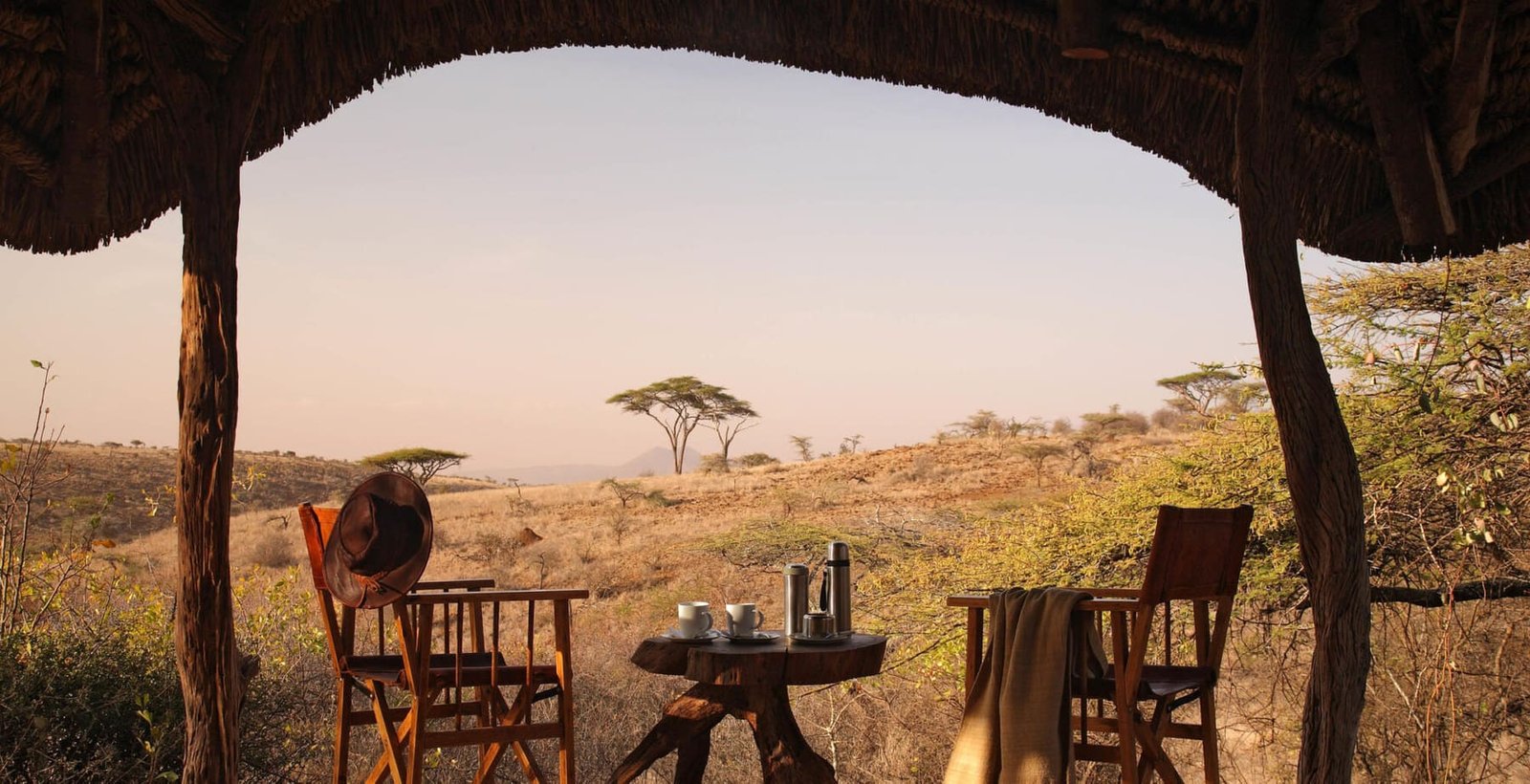
Gaborone → Okavango Delta → Harare → Victoria Falls → South Luangwa → Lower Zambezi → Windhoek → Etosha → Cape Town → Sabi Sand → Plettenberg Bay. Day-by-day scrollspy markers to follow.
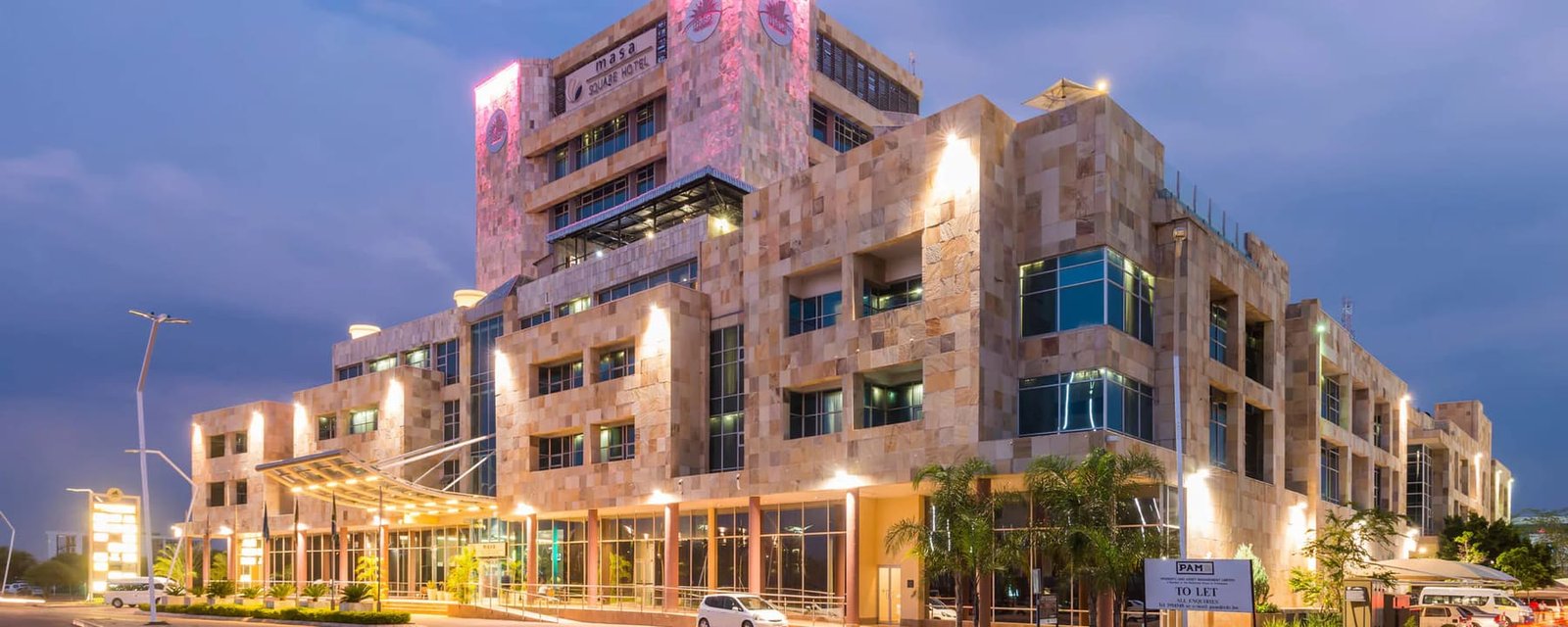
Land at Sir Seretse Khama International and transfer to the Protea by Marriott Masa Square in the centre of Botswana’s capital.
The afternoon is for acclimatising. If you would rather move, a short introduction to Gaborone takes in the Three Dikgosi Monument — a tribute to the three chiefs who travelled to London in 1895 to keep Botswana out of Rhodesian hands — and the National Museum.
Dinner is Botswana-inspired, and a gentle way in.
A light aircraft north into the heart of the Okavango Delta, and the flight is the first revelation — a river that never reaches the sea, spread across the Kalahari in a fan of channels, islands and floodplain, and a UNESCO World Heritage site.
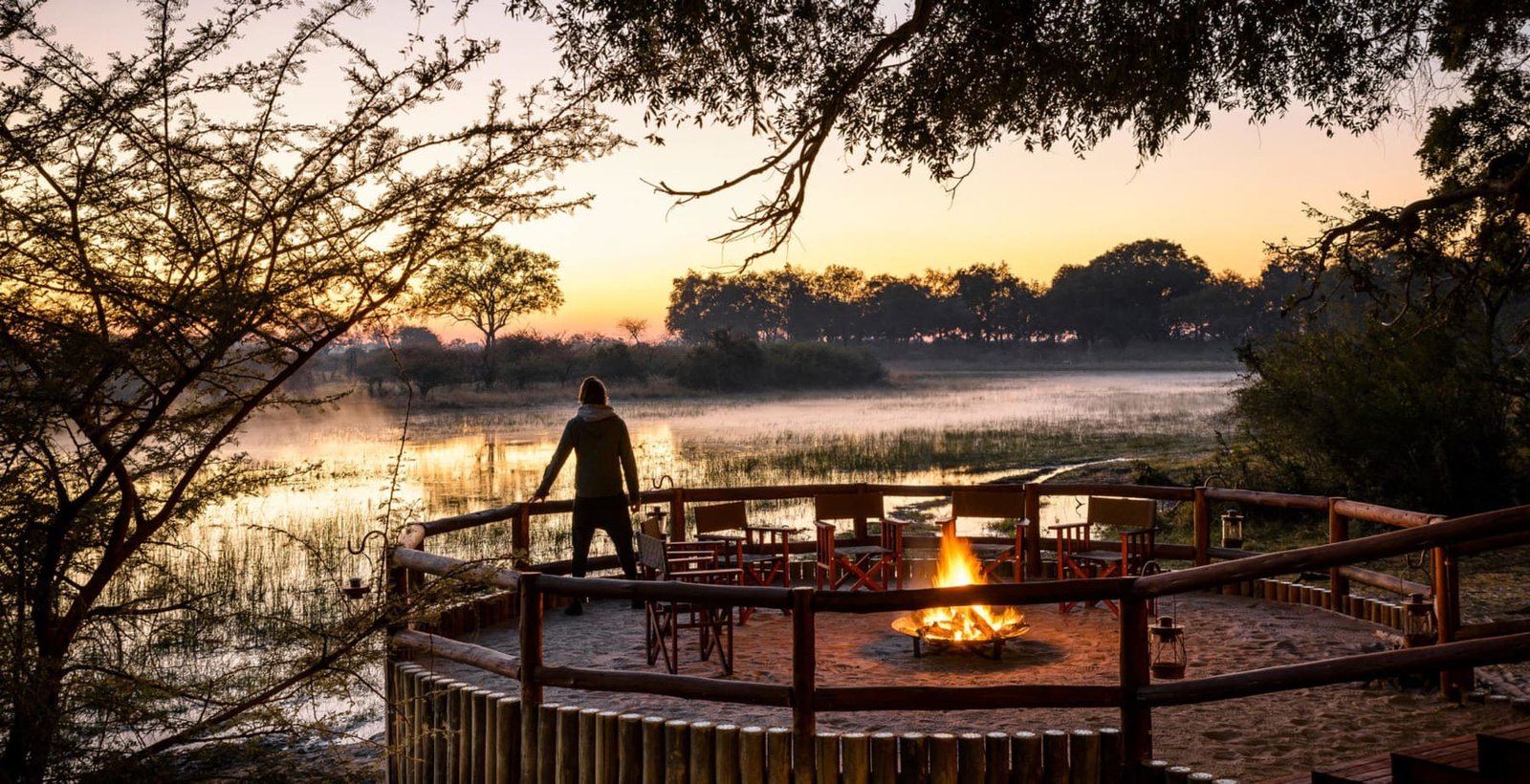
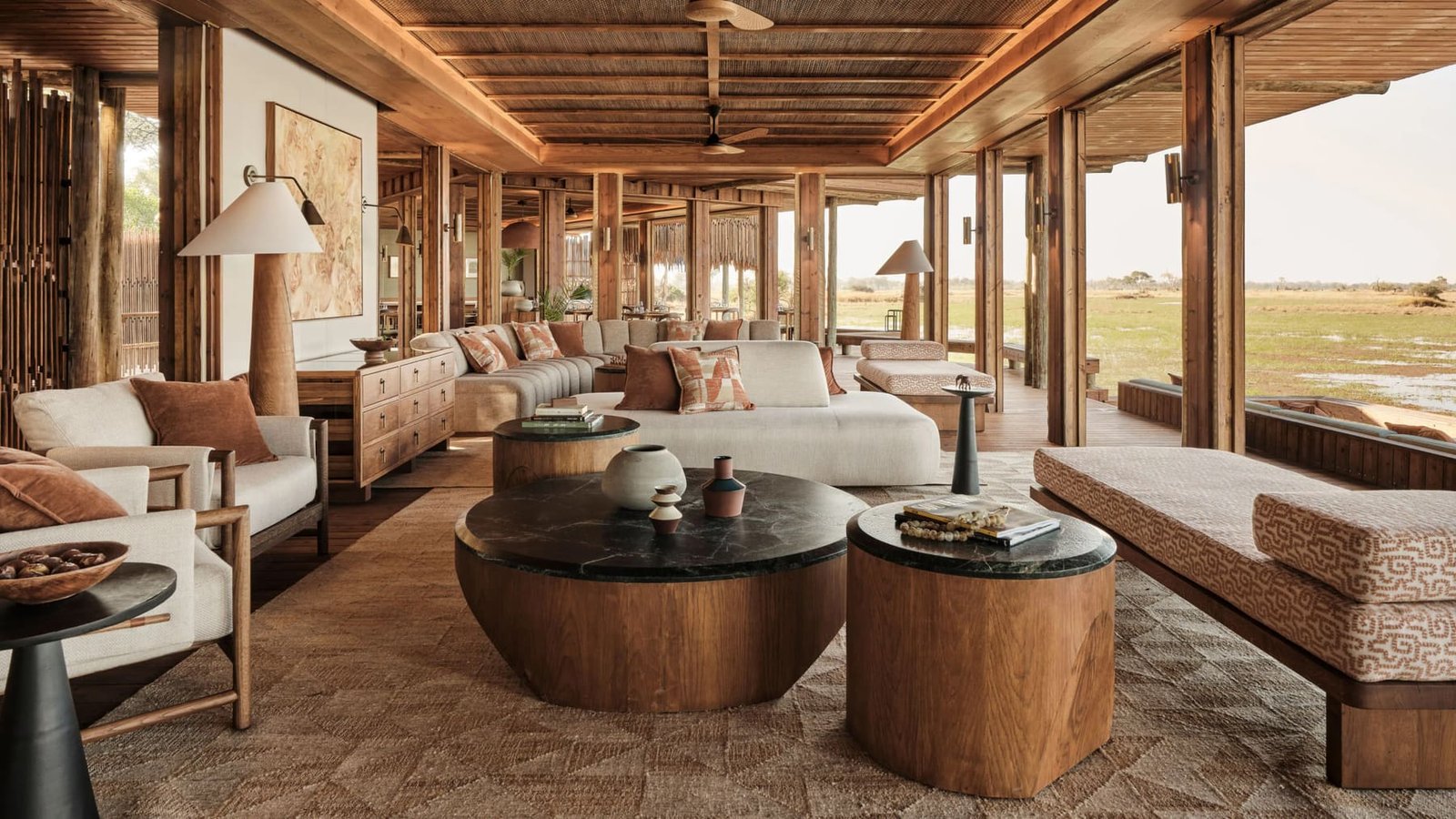
Chief’s Camp sits on a remote island in the Moremi Game Reserve, on a traverse widely held to offer the finest game viewing in Southern Africa.
The first afternoon drive crosses the floodplains looking for elephant, lion, leopard, buffalo and, with luck, wild dog. Dinner is around a fire.
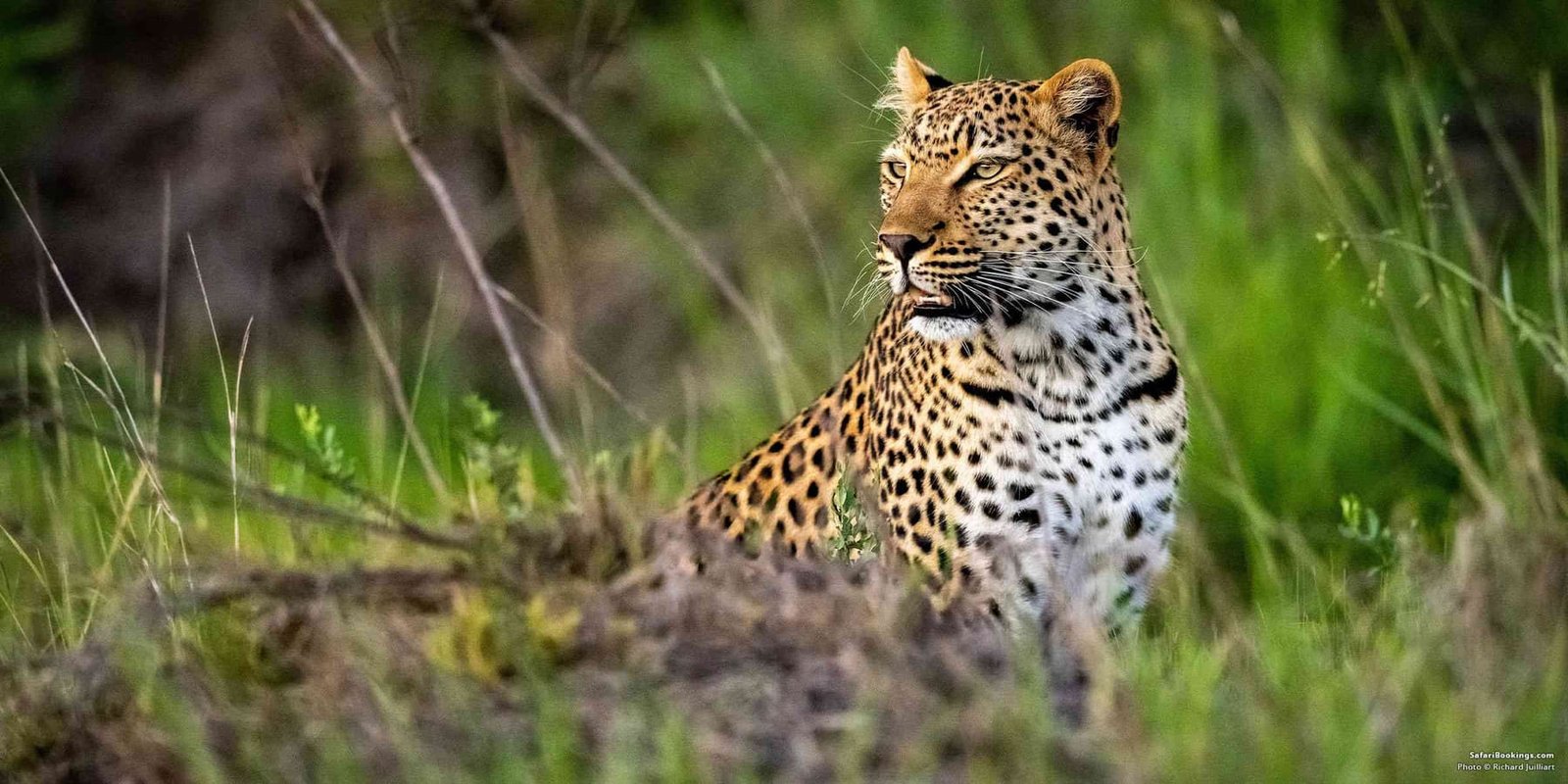
An early drive, because Moremi’s predator density is the reason to be here and the mornings are when it shows. Lion, leopard and hyena, tracked by guides whose skill is the actual product.
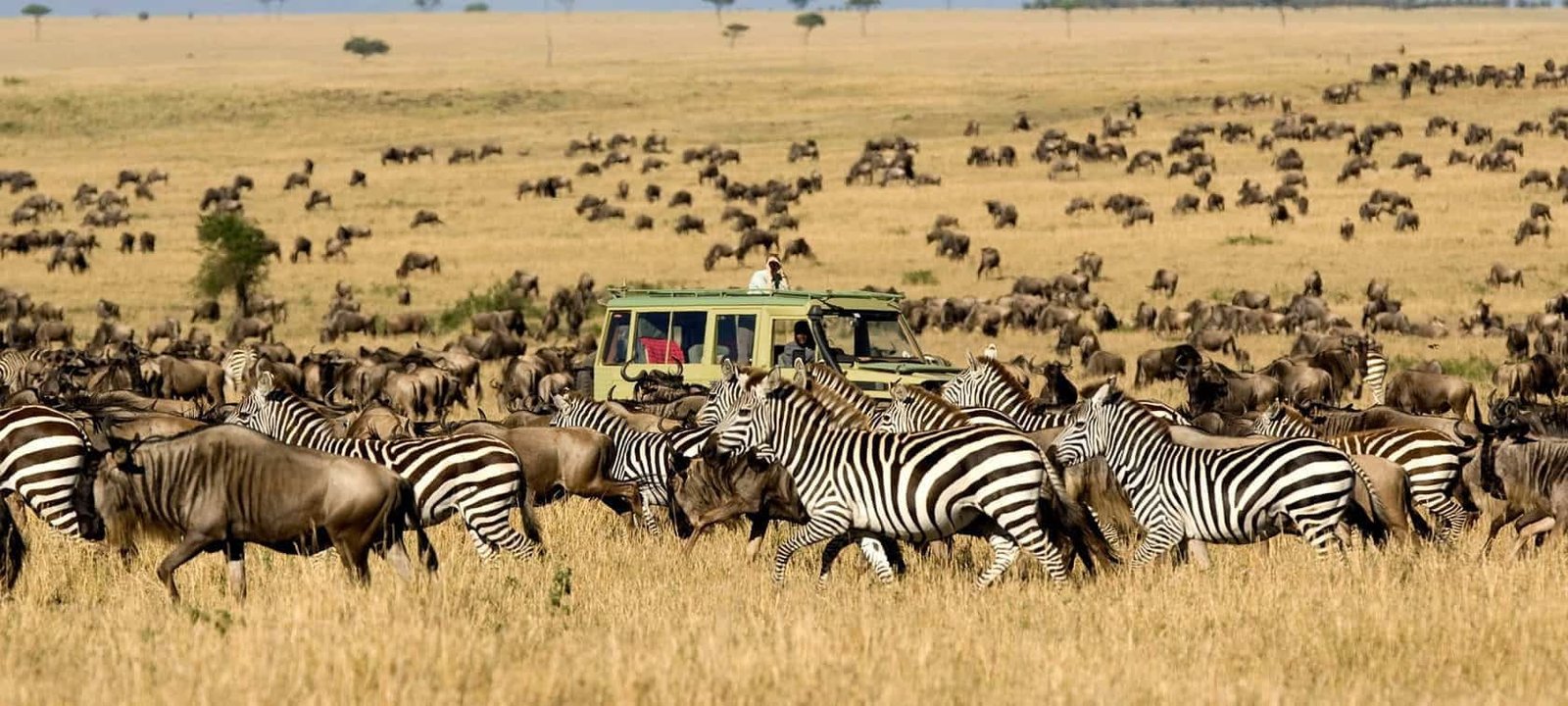
The plains hold huge herds of zebra, antelope and buffalo, which is what keeps the predators in business.
The afternoon is a plunge pool on your deck and then a second drive, ending with a sundowner as the sky goes.
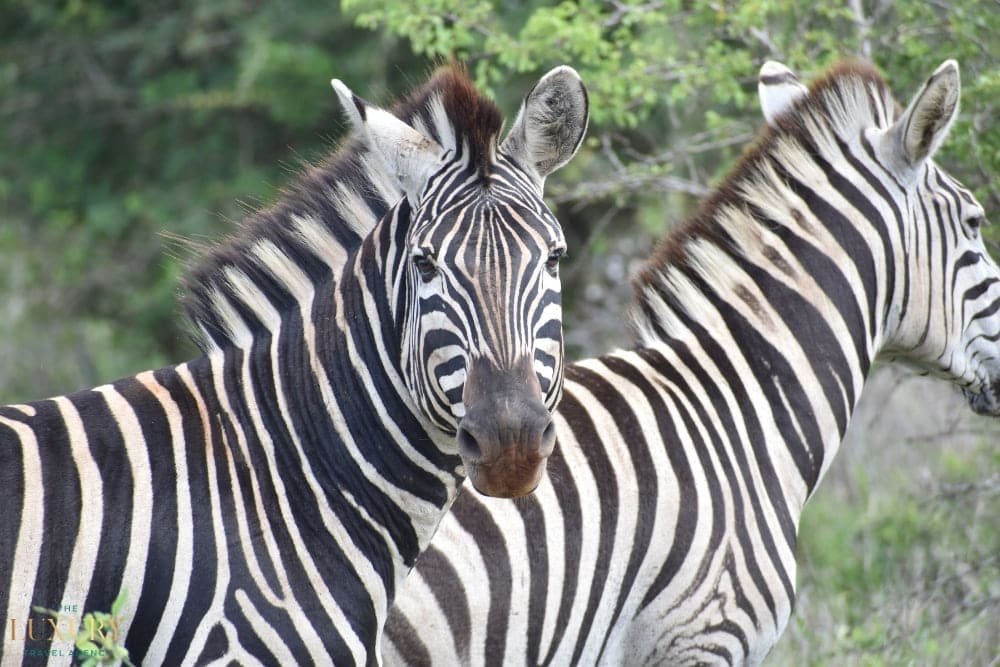
A morning drive, then the afternoon is yours to choose. A scenic helicopter flight gives the best possible understanding of the Delta — the network of plains, lagoons and islands only makes sense from above.
Alternatively: a massage at the camp spa, an extended drive, a photography-focused safari, or dedicated birding, since the Delta holds hundreds of resident and migrant species.
The evening is a gourmet dinner under the African sky.
A light aircraft to Sanctuary Baines’ Camp, on a private concession bordering Moremi and a different face of the same Delta.
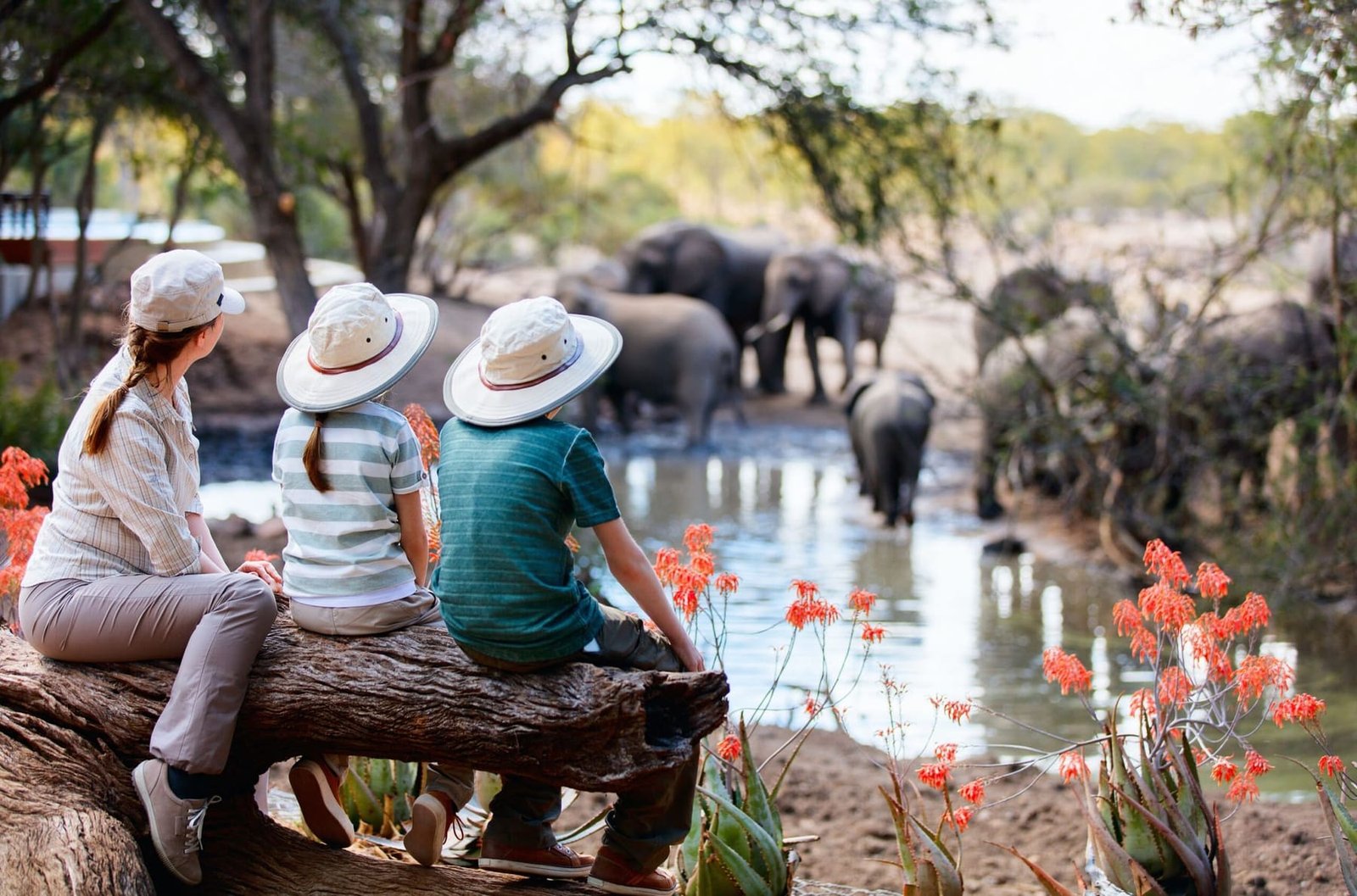
The afternoon is a mokoro — a dugout canoe, poled from the stern, moving without a sound. You pass hippo and crocodile, watch elephant wading the shallows, and see the birdlife at water level. It is the classic way to experience the Delta and there is no substitute.
A sundowner out on the water closes the day.
The full Okavango day. A guided walking safari in the morning, at ground level, reading tracks and plants and the smaller creatures a vehicle misses entirely.
A motorised safari boat in the afternoon, through the wider channels at a pace a mokoro cannot manage.
Then a night drive with spotlights. The Delta after dark is a different place: leopard, civet, genet, bushbaby and nocturnal birds.
A sunrise hot-air balloon over the Delta, subject to season, weather and availability. Floating silently above it as it wakes — the channels catching first light, herds moving across the floodplain — is the finale the Botswana chapter deserves.
A celebratory breakfast on landing, then an afternoon of doing very little: the pool, the spa, or the deck.
A private Okavango farewell sundowner and dinner.
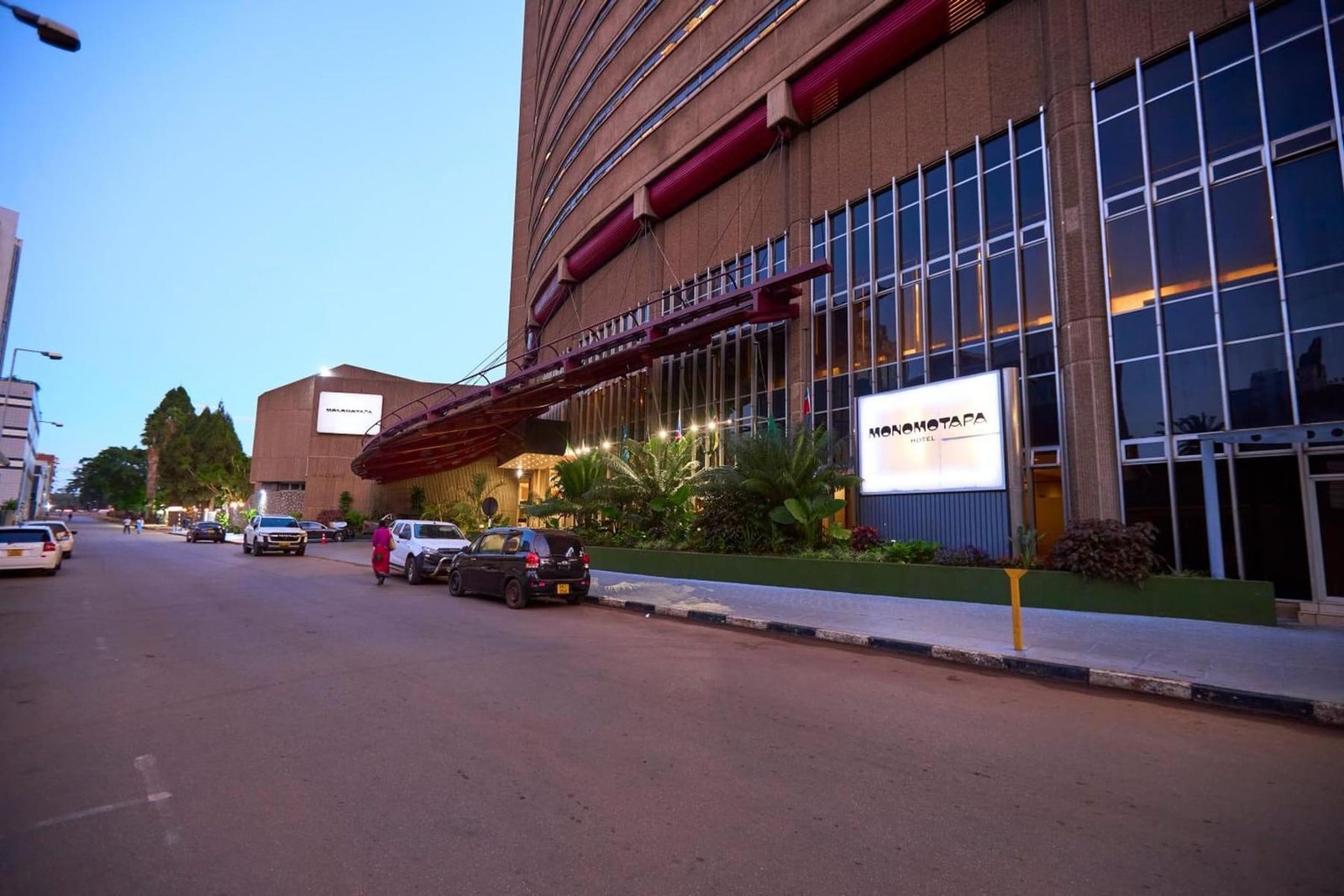
A flight to Harare and a transfer to the Monomotapa Hotel.
The afternoon is for recovering from the Botswana sector. If you have the energy, a short city experience takes in the National Heroes Acre, Harare Gardens or the craft markets.
Dinner is Zimbabwean.
A flight to Victoria Falls and a transfer to Matetsi, set within a 136,000-acre private reserve with nine miles of its own Zambezi frontage.
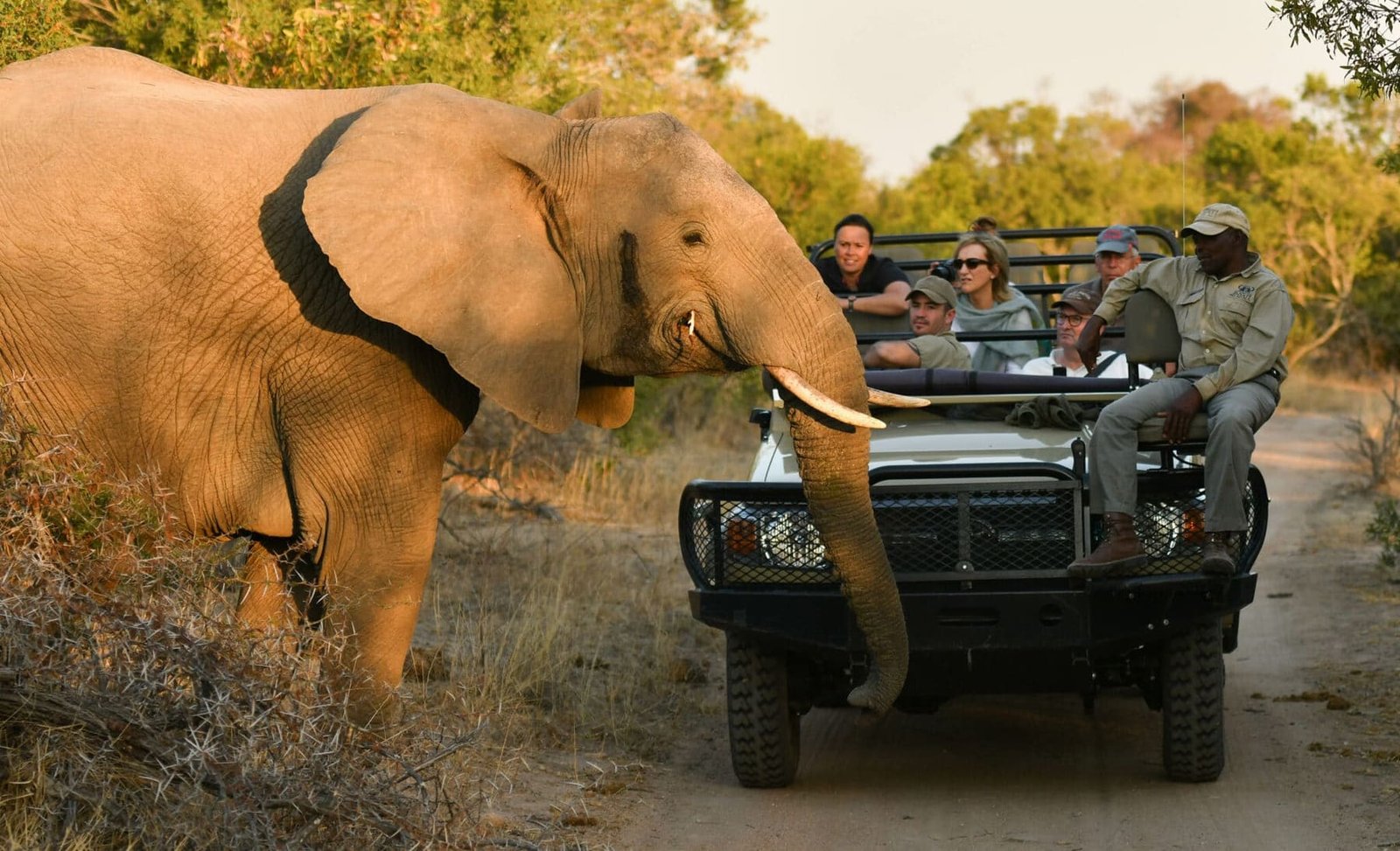
The afternoon drive works the Matetsi reserve, which holds enormous herds of elephant and buffalo alongside lion, leopard, wild dog and hyena.
At sunset you board a boat on the private stretch of river. Elephant and hippo on the bank, the Zambezi going gold, and no other vessel in sight — the private frontage is the whole point.
A morning drive through the private reserve and a guided walk for the smaller detail.
The afternoon is Victoria Falls itself. Walking the viewpoints you feel the spray from a long way back — Mosi-oa-Tunya, the Smoke that Thunders, is the largest single sheet of falling water on Earth, and the noise is the part photographs cannot carry.
Optional additions include a helicopter flight over the falls, which gives the scale, and cultural experiences in the town. Back to Matetsi for dinner.
A flight into Zambia and the South Luangwa National Park, one of the great wilderness areas in Africa and the place walking safaris were invented.
Puku Ridge Camp sits in a productive part of the park and runs both vehicle and walking safaris.
The first drive introduces a park renowned above all for leopard. The plains, woodland and river support lion, leopard, elephant, buffalo, hyena and wild dog.
The day South Luangwa is famous for. A guided walking safari with an expert who teaches you to read the bush — tracks, droppings, plants and bird calls, and the way the whole system fits together. Walking is where the small things finally register.
In the evening, a night drive. With a spotlight the park changes personnel entirely: leopard, hyena, African wild cat and everything else that waits for dark.
A dawn drive, then an afternoon built around photography. South Luangwa’s leopard concentrations are genuinely exceptional and your guide will work to get you the light and the angle rather than just the sighting.
A private bush dinner under the sky closes the South Luangwa chapter.
A flight to the Lower Zambezi National Park — a completely different safari environment, laid along the bank of the river with the Zambian escarpment behind.
Royal Zambezi Lodge is intimate and family-owned, with three kilometres of unspoilt river frontage.
The afternoon is a river safari, then a Zambezi sundowner cruise: elephant and hippo on the shoreline and the sun going down over the water.
A canoe safari in the morning, which is the most intimate way to see this river — low, quiet, and closer to hippo than most people expect to get.
A game drive in the national park in the afternoon. The lodge also runs walking safaris, fishing and birding, and the evening is yours to choose from: another walk, a cultural visit, or a private bush dinner.
A flight to Windhoek and a transfer to the Hilton.
The afternoon explores the centre: the Independence Memorial Museum, the historic Christ Church, and the Namibia Craft Centre for genuinely good local work.
Dinner is Namibian, which is a stranger and better cuisine than most visitors expect.
North to Etosha and Mokuti, which sits forty metres from the Von Lindequist Gate at the park’s eastern edge.
The first Etosha drive follows. The park is built around a salt pan visible from space, and the savannah around it supports a remarkable concentration of animals drawn to the waterholes — which is how game viewing works here. You do not find the animals; you sit at the water and they come.
An early drive deep into the park, spending real time at the waterholes — Okaukuejo in particular — watching the sequence of who drinks, who waits and who does not dare.
The afternoon returns towards Mokuti, and the evening is a night game drive for hyena, jackal, honey badger and porcupine.
The final Etosha day goes beyond the drive. Birding and a guided bush walk in the morning, reading the smaller details of a desert-edge ecosystem.
The cultural component is a visit to an Oshiwambo community, arranged as a genuine exchange about daily life rather than a staged event.
The afternoon visits Namutoni, the old German fort inside the park, and the evening is a farewell dinner at the lodge.
A flight to Cape Town and a transfer to The Silo, built into the elevator tower of the 1924 grain silo above the Zeitz MOCAA museum at the V&A Waterfront.
The afternoon is the Waterfront and, if you want it, the museum below your feet — the largest collection of contemporary African art on the continent.
Dinner is fine dining, in a city that does it as well as anywhere.
A flight northeast to the Sabi Sand and a transfer to Lion Sands River Lodge, on the bank of the perennial Sabie River, the only private access to it in the reserve.
The Sabi Sand is known globally for big-cat density and above all for leopard, which here are habituated enough that sightings run long and close rather than fleeting.
The first drive, and a sundowner in the bush.
An early drive with a guide and a tracker working as a pair, which is the arrangement that makes Sabi Sand sightings what they are. All of the Big Five are here and the trackers are extremely good at the elusive ones.
The afternoon is the pool or the Amani Spa, and the evening is a second drive followed by an outdoor bush dinner.
A guided walking safari in the morning, at ground level with a trained guide, learning to read the ecosystem rather than simply look at it.
The afternoon is the Amani Spa, with treatments drawn from African traditions.
The evening drive is a night safari, and the reserve after dark is a different reserve.
The last full safari day, and a dawn drive dedicated to whatever is still outstanding — lion, leopard, elephant, rhino or buffalo.
A relaxed afternoon at the lodge, then a grand farewell: a private sundowner followed by a bush dinner, and the end of twenty-four days of African wilderness.
A flight back to Cape Town, where your private driver meets you for the scenic road journey along the Garden Route to Plettenberg Bay.
Check in at The Plettenberg, a five-star property on a rocky headland above the Indian Ocean.
The afternoon is the beach — Lookout Beach, or the Robberg peninsula — and dinner is oceanfront.
A whale-watching excursion in the morning, when the season allows. Southern Right whales arrive from around June and stay through November, with the peak in August and September, and dolphins and seals are present year-round.
The afternoon is the beach or the town, and then the drive back to Cape Town and a final night at The Silo, with Table Mountain in the window.
Breakfast at The Silo and, depending on your flight, a final morning at the V&A Waterfront. Your private driver takes you to Cape Town International Airport.
We are here for that. Every Finders & Keepers Safaris itinerary is a starting point, not a fixed departure — the pace, the lodges, the length, the dates and the party travelling can all be reshaped around you. Tell us what you would change and a specialist will rebuild the journey and price it honestly, before you commit to anything.
Tailor This Journey →
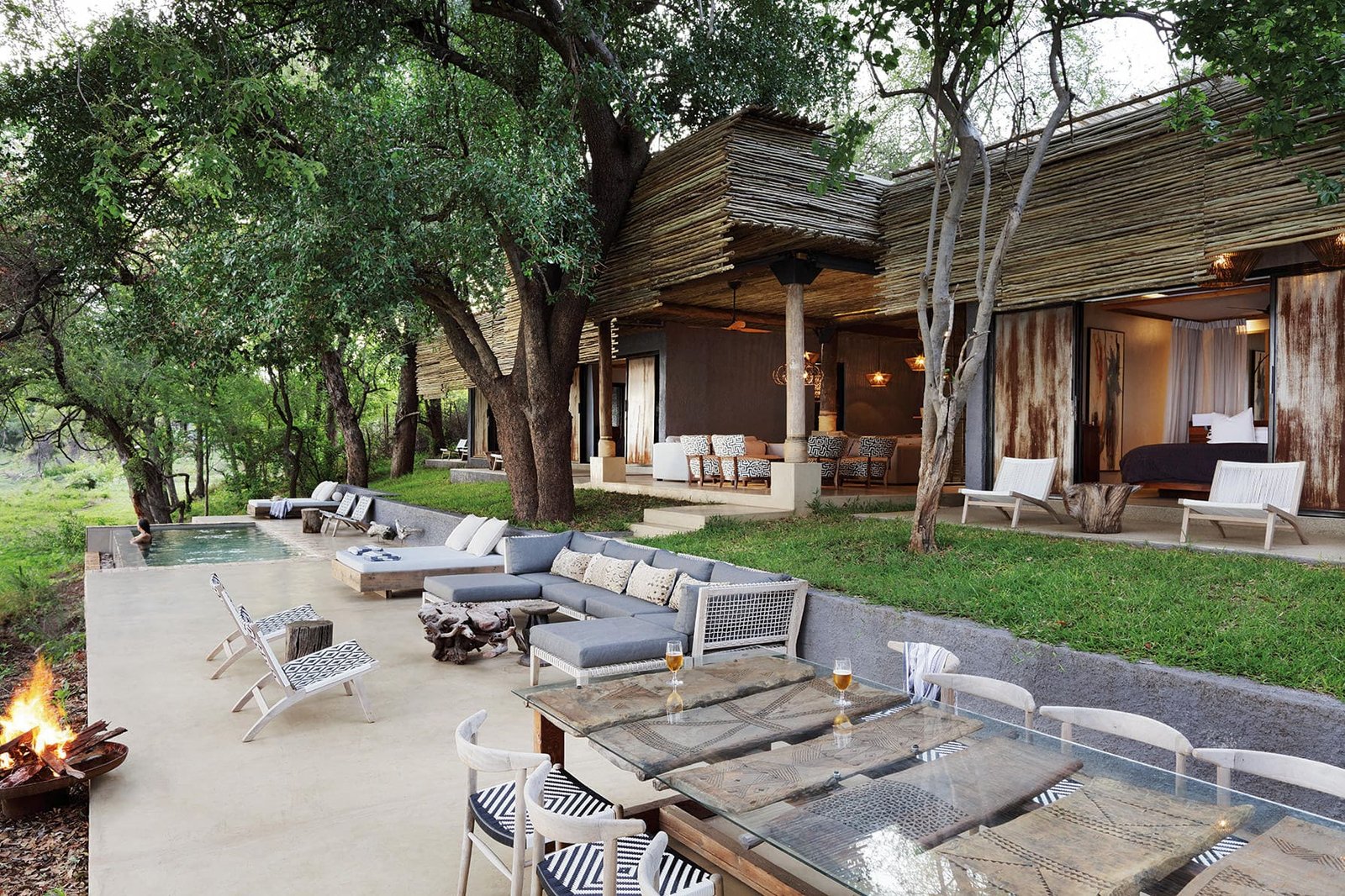
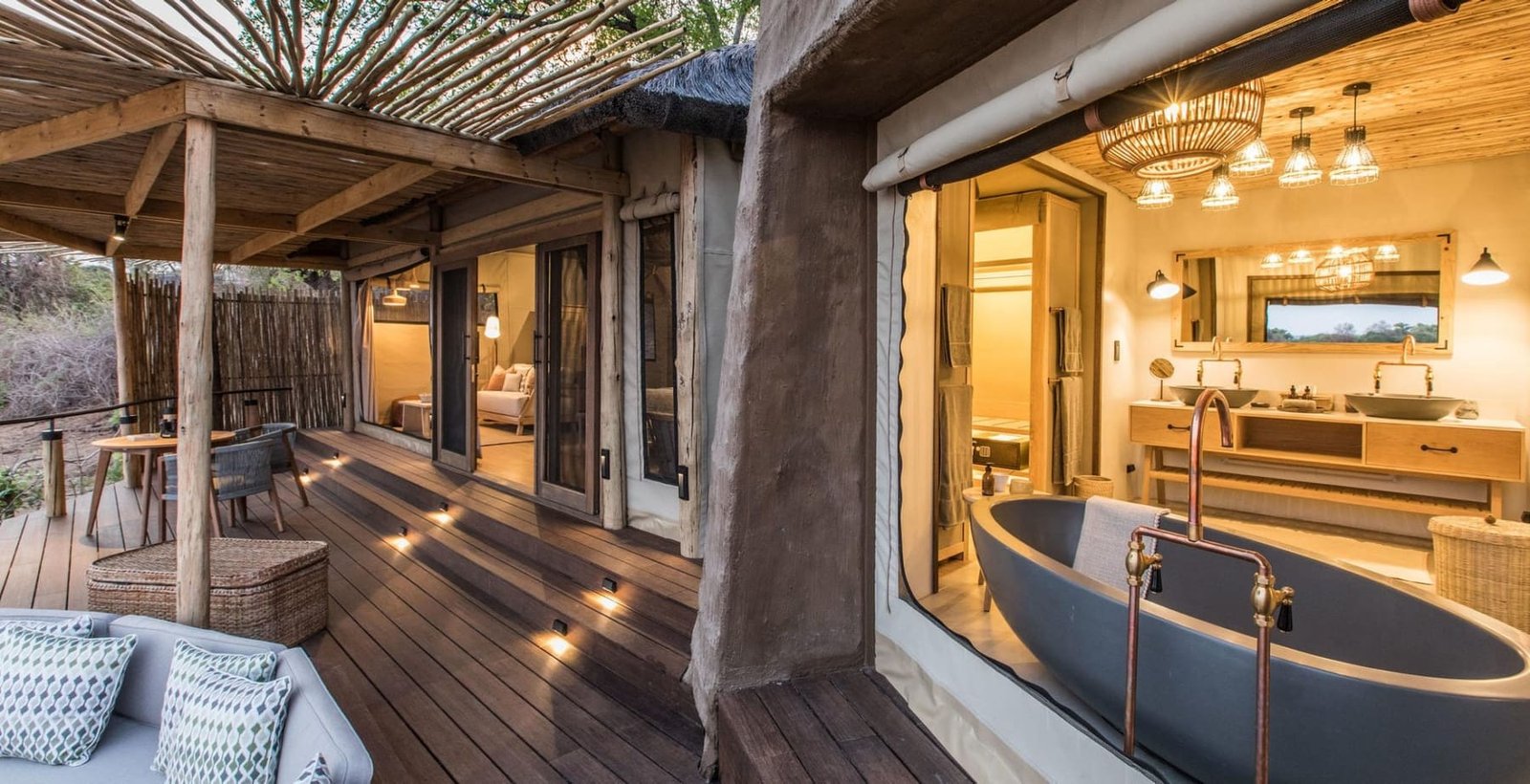
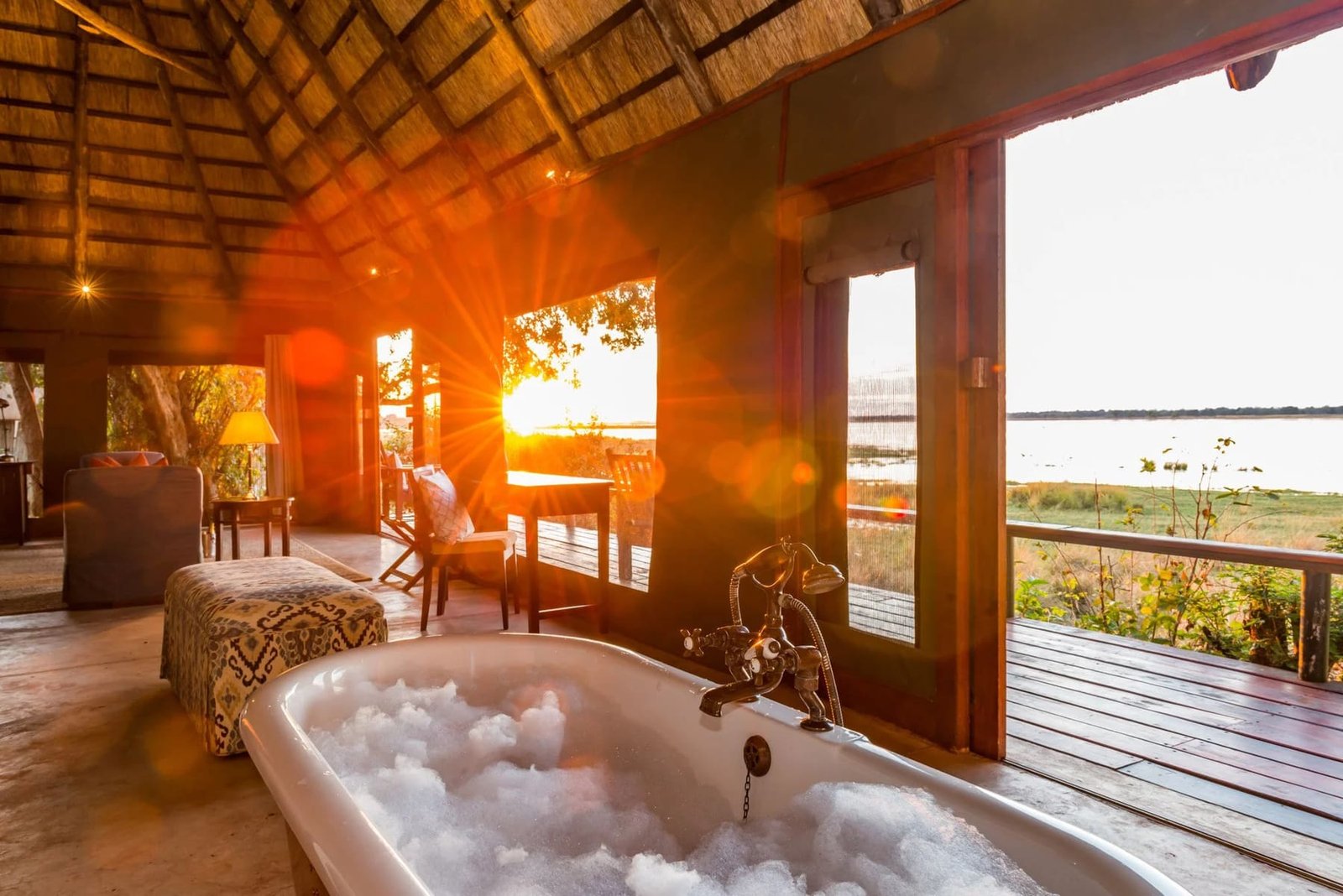
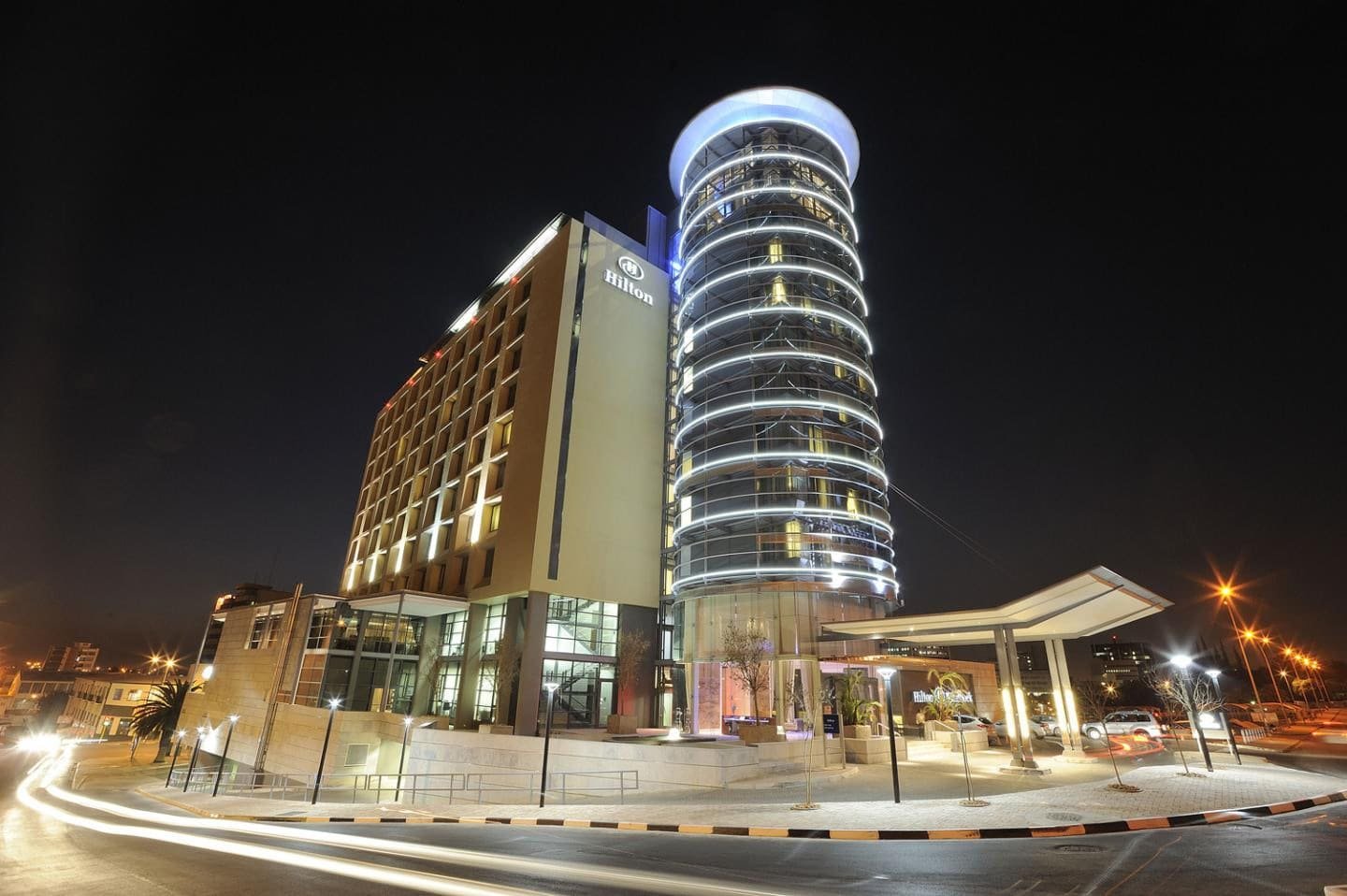
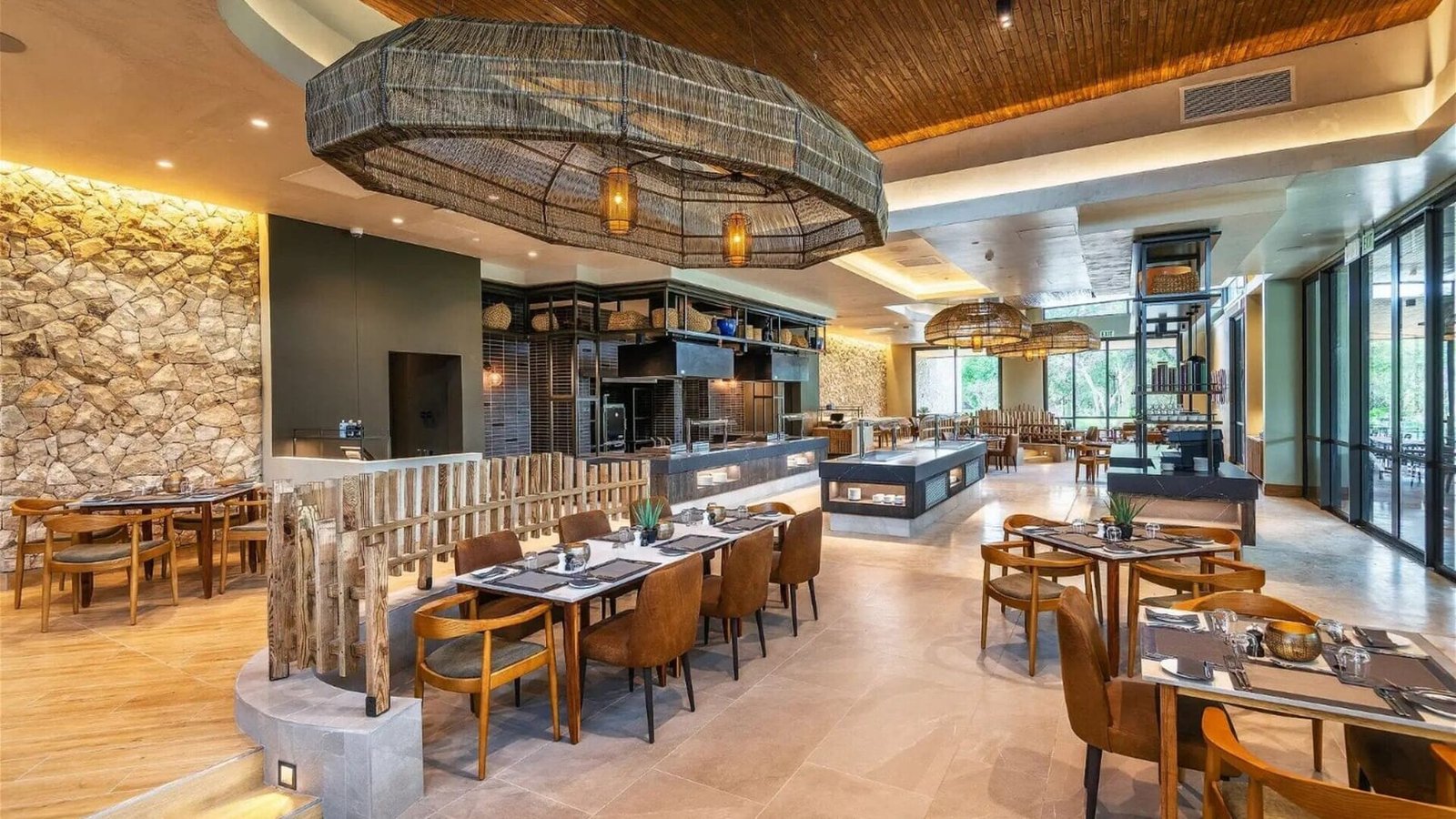
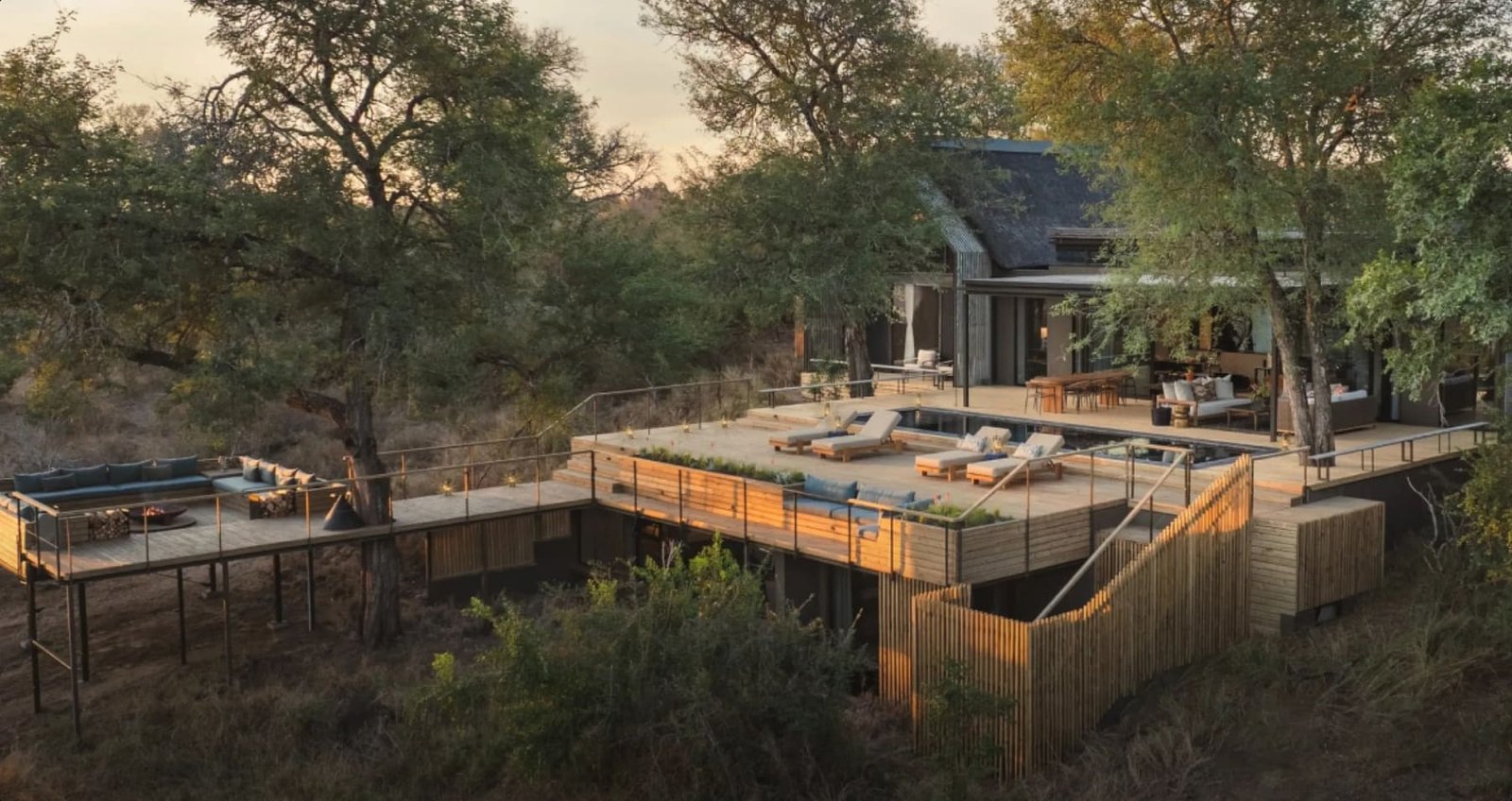
Twenty-seven days across Botswana, Zimbabwe, Zambia, Namibia and South Africa: delta, falls, river and desert in one connected journey.
A silent mokoro through the Okavango’s channels, a sunrise balloon over the Delta, Victoria Falls, and a Zambezi sunset cruise along nine miles of private riverfront.
Walking safaris in South Luangwa, the park that invented them, and Chief’s Camp in Moremi on one of Southern Africa’s finest game-viewing traverses.
Etosha from Mokuti, leopard country at Lion Sands in the Sabi Sand, and a coastal finish at Plettenberg Bay.
Hold 2027 for half the usual deposit
Confirm any 2027 departure with a 15% deposit instead of the usual 30%, booked before 31 December 2026.
The same unforgettable journey, priced by season.
Reserve today with a low early deposit to lock in your 2027 dates and pricing.
Spread the rest across convenient instalments, at a pace that suits you.
Final balance due one month before departure — nothing more to pay once you fly.
Soft duffel, sun hat and binoculars
Light aircraft enforce a 15 kg soft-bag limit
Every camp-to-camp flight on this route runs on light aircraft with a strict 15 kg soft-luggage allowance and no hard cases. The Okavango balloon depends on season, weather and availability, and the Mount-of-the-Delta flooding varies year to year — the Delta is at its highest between roughly May and August, months after the rain that caused it. Whale watching off Plettenberg Bay runs from June to November, with the peak in August and September.
Multiple visas and a Yellow Fever certificate
Private, tailor-made departures on your dates
A deposit of 30% is required to confirm your booking, with the balance due 60 days before departure. All itineraries can be tailored — extend a stay, add a destination, or adjust the pace to suit you. Comprehensive travel insurance covering trip cancellation, medical evacuation and personal effects is required for all guests. Your dedicated specialist remains on call throughout your journey for any changes or assistance you need.