Camped in the crossing zone
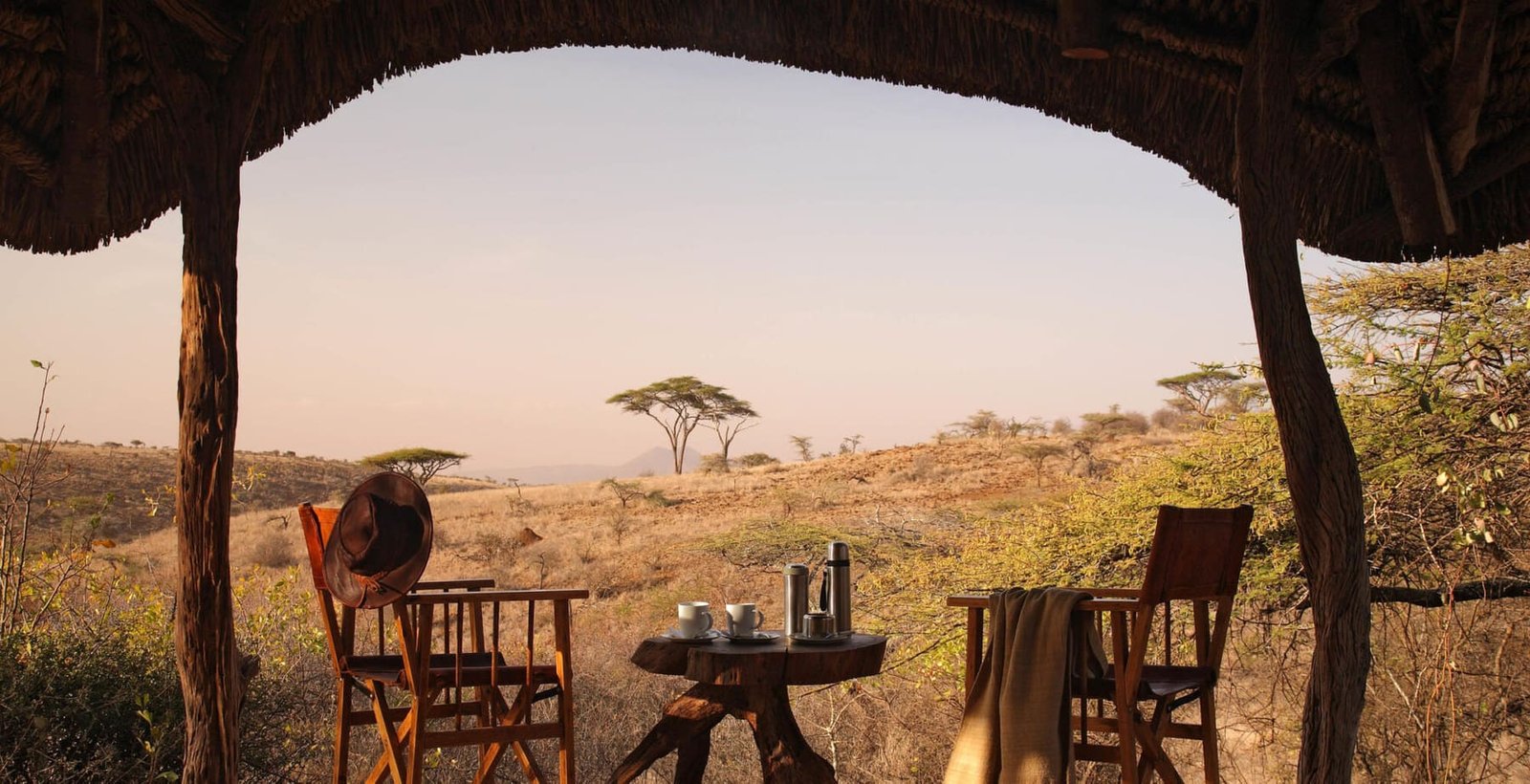
Three nights in an exclusive mobile tented camp in the northern Serengeti, the migration’s prime crossing zone, where wildebeest surge across the Mara River in their tens of thousands.
Small-group & private departures available year-round
See Pricing & Inclusions ↓OverviewThis twelve-day journey follows one of the greatest wildlife spectacles on earth — the Great Migration of more than 1.5 million wildebeest, zebra and gazelle across the plains of Tanzania. From the elephant and baobab landscapes of Tarangire to the volcanic grandeur of the Ngorongoro Crater, the endless golden plains of the central Serengeti and the dramatic river crossings of the north, this circuit is the definitive East African safari, combining legendary wildlife with exceptional camps and intimate small-group access.
Witness river crossings in the northern Serengeti — wildebeest in their tens of thousands surging across the Mara River
Descend into the Ngorongoro Crater — a UNESCO World Heritage Site sheltering the world's densest concentration of predators
Hot air balloon safari over the Serengeti at sunrise, followed by a champagne breakfast on the golden plains
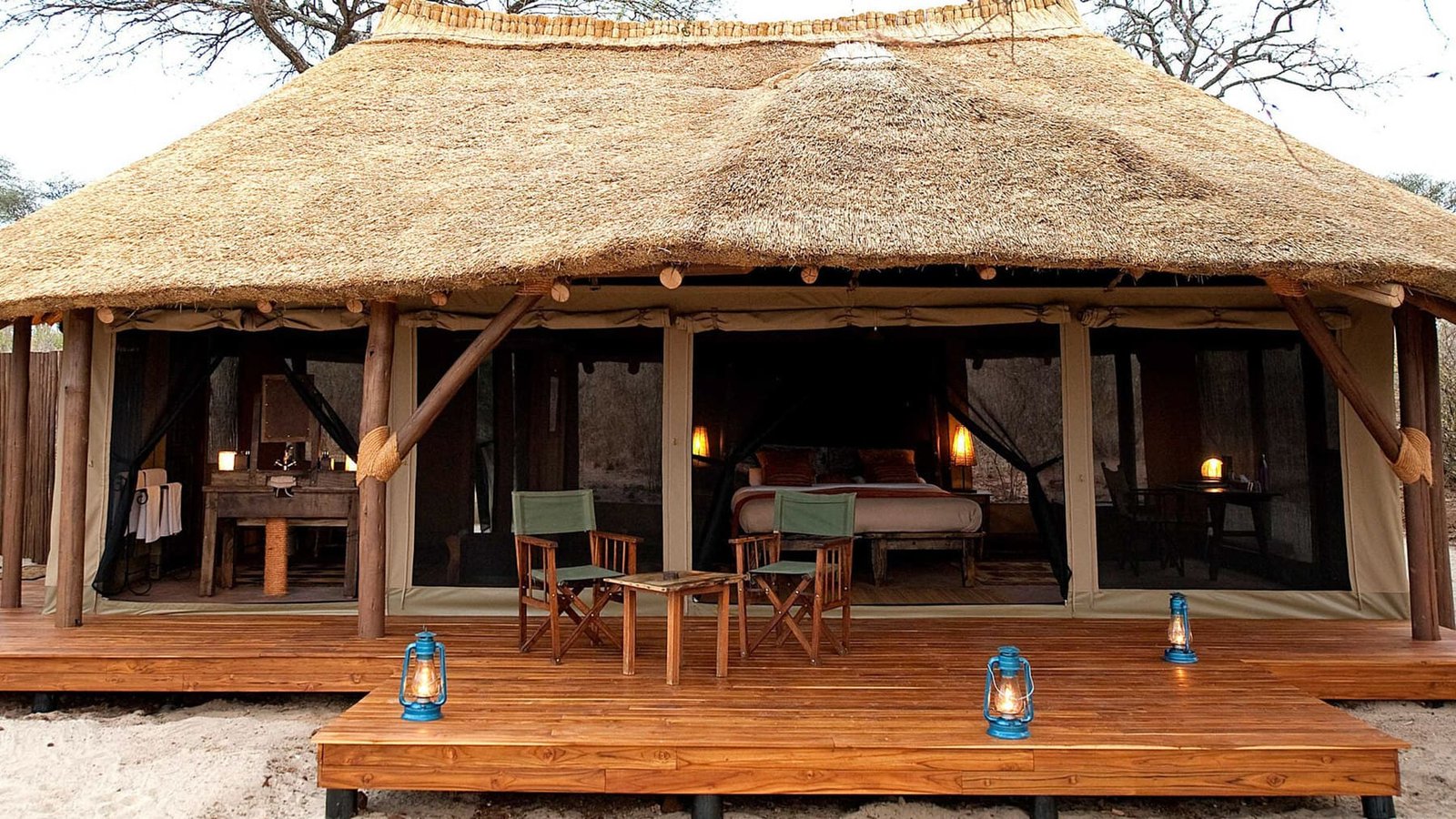
Three nights in the northern Serengeti — the migration's prime crossing zone — in an exclusive mobile tented camp
Tarangire National Park — home to Tanzania's largest elephant herds and ancient baobab trees
Night game drives in the Serengeti — leopards, lions and aardvarks in the beam of the spotlight
Walking safari in the Ngorongoro Conservation Area with an armed Maasai ranger
Private 4x4 Land Cruiser with pop-up roof and professional guide throughout — all park and conservancy fees included
All-inclusive luxury and mobile camps, hand-picked across every zone of the migration circuit
Small group sizes capped at just seven guests for a truly personal safari experience
Migration expertise — we position camps to where the crossing action is, not where it was last year
Private 4x4 Land Cruiser with pop-up roof and dedicated driver-guide for the full journey
Guaranteed departures with a minimum of two guests — your journey always runs
All park fees, beverages and signature activities included — no surprise costs at any stage
Arusha → Tarangire National Park → Ngorongoro Crater → Central Serengeti → Northern Serengeti → Arusha. Interactive map to be added here with day-by-day scrollspy markers.
Touch down at Kilimanjaro International Airport. Your Finders & Keepers Safaris representative meets you in the arrivals hall — no searching, no queuing. You are escorted through formalities and into a waiting transfer vehicle for the short journey to your Arusha lodge, set on the slopes of Mount Meru. If your flight arrives before midday, enjoy a complimentary afternoon excursion to a Maasai market or a coffee plantation tour showcasing Tanzania's celebrated Arabica coffee from harvest to cup. As evening approaches, the group gathers for a welcome briefing and dinner. Your guide spreads maps on the table, outlines the route and shares what to expect from the migration. Mount Kilimanjaro gleams in the late light. Tomorrow, the wilderness begins.
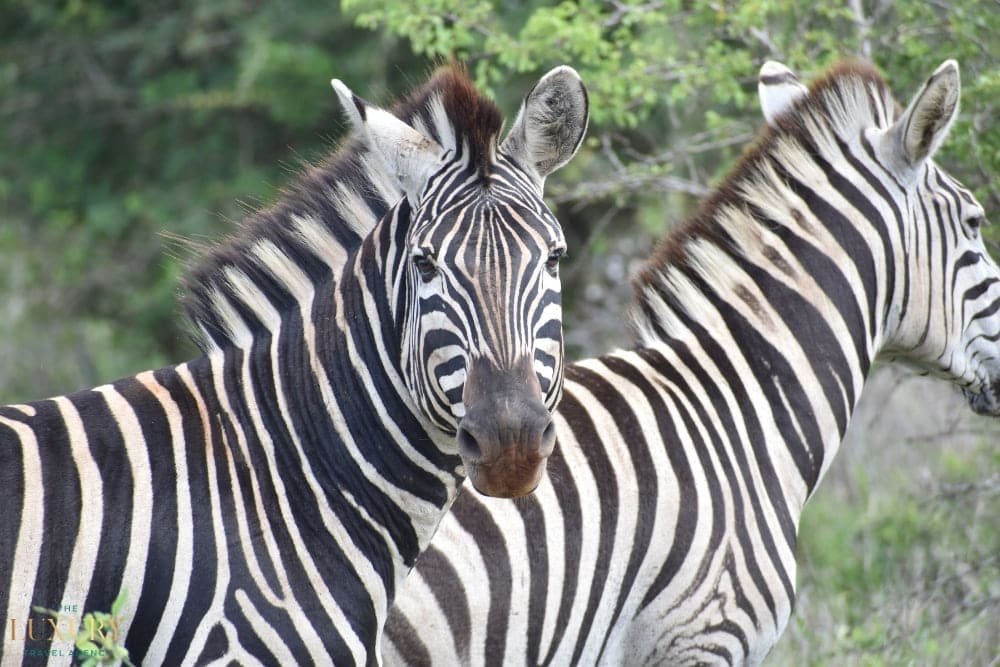
After breakfast, depart Arusha by road for Tarangire National Park (approximately 2.5 hours). The drive carries you across the wide Masai Steppe and through the towns of Makuyuni and Kwa Kuchinja. Enter Tarangire through its northern gate. Tarangire is perhaps the most underestimated park in Tanzania — and that is its greatest gift. The Tarangire River draws the largest concentration of wildlife outside the Serengeti during the dry season, with elephant populations rivalling anything on earth. The ancient baobab trees — some more than a thousand years old — dominate the skyline, their vast girth evidence of centuries of survival. An afternoon game drive explores the river circuit: elephants in their hundreds wading into the shallows, lion prides resting in the shade, oryx, eland, lesser kudu and fringe-eared oryx moving through the woodland. Arrive at your camp in time for a sundowner and dinner under the stars.
A dawn game drive through Tarangire's southern sector, into the Silale Swamp — a mosaic of swamp, riverine forest and open grassland that harbours unusual species rarely seen elsewhere: greater kudu, fringe-eared oryx and the elusive gerenuk. Mid-morning, your vehicle pulls into a shaded clearing for a walking safari with an armed ranger. On foot, the scale of the bush becomes tangible. Your guide reads tracks in the dust — a pride of lions passed here at dawn, an elephant bull rested under this fig tree, a leopard dragged its kill across this path three days ago. Return to camp for lunch and a siesta. A late afternoon game drive explores the river flats as elephants gather to drink in the golden light. Sundowner on the river escarpment as the sun sinks behind the baobabs. Dinner by firelight.
After breakfast, check out and depart for the Ngorongoro Conservation Area (approximately 4 hours via Karatu). The road climbs through the fertile farmlands of the Crater Highlands — coffee, tea and banana plantations clinging to the steep slopes. Arrive at the crater rim in the late morning. The view from the rim is one of the most breathtaking in Africa: a perfectly circular caldera 19 kilometres across, its floor a mosaic of grassland, lake and acacia woodland, enclosing an entire ecosystem within its walls. The crater shelters some 25,000 large animals — lions, leopards, elephants, buffalo, hippos, hyenas, black rhinos and an extraordinary concentration of wildebeest and zebra. Check into your rim lodge — perched on the crater's edge, with uninterrupted views across the caldera. Lunch at the lodge. A late afternoon game drive on the crater rim, watching the light fade over one of Africa's most extraordinary landscapes. Dinner at the lodge.
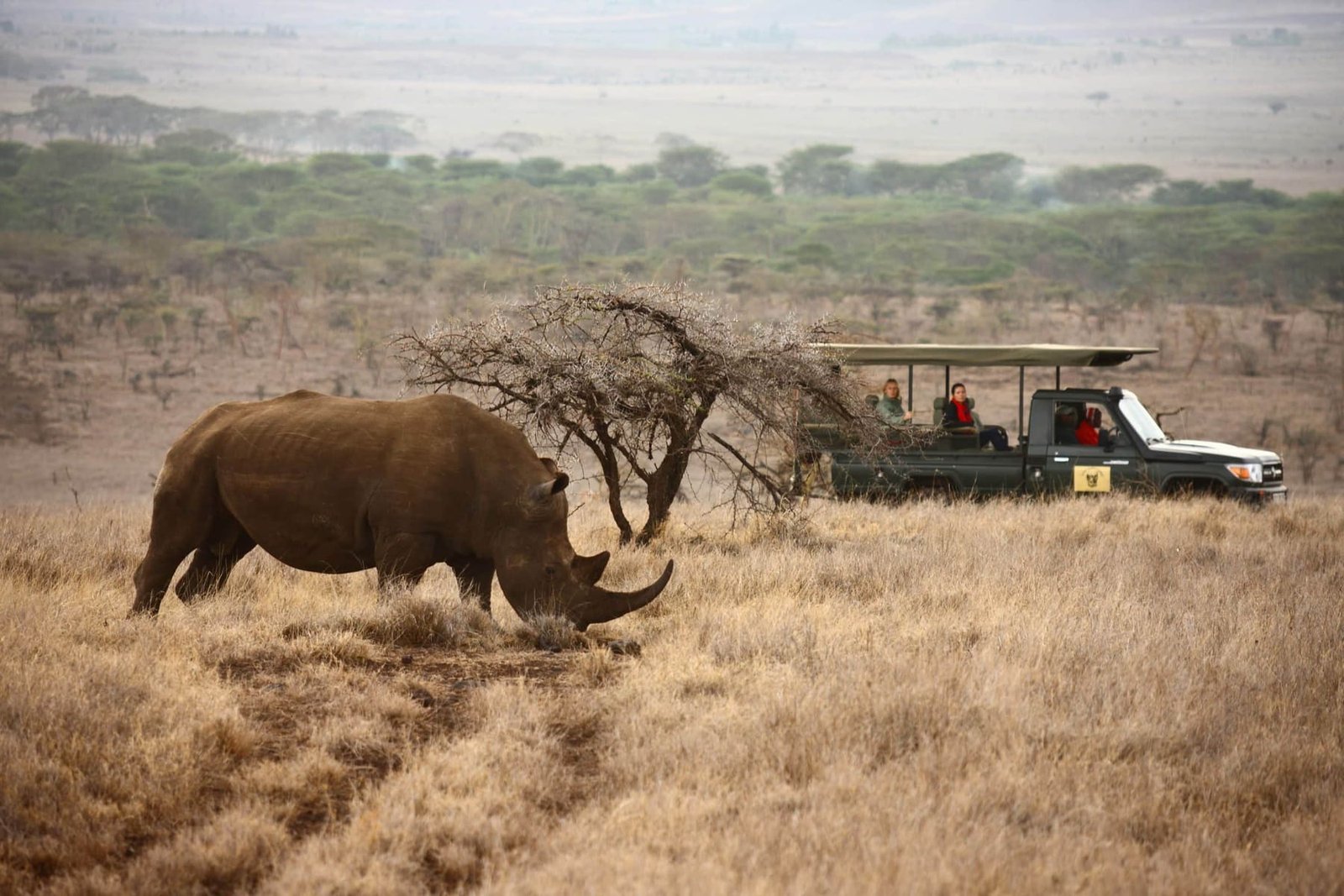
An early morning descent into the crater. The road drops steeply through the forest zone — a micro-climate of dense vegetation where elephant and buffalo move between the trees. Reach the crater floor as the morning mist lifts. The crater is a predator's paradise. Within the first hour: a pride of lions at a kill, hyenas circling at a respectful distance. Your guide drives toward Lake Magadi — a shallow soda lake tinged pink by hundreds of flamingos. Black rhinos — among the rarest animals in Africa — move across the crater floor in the middle distance. In the afternoon, a walking safari with an armed Maasai ranger on the outer slopes of the crater, descending into the acacia woodland where buffalo and elephant roam freely. Return to the rim at sunset. A final bonfire dinner on the crater rim.
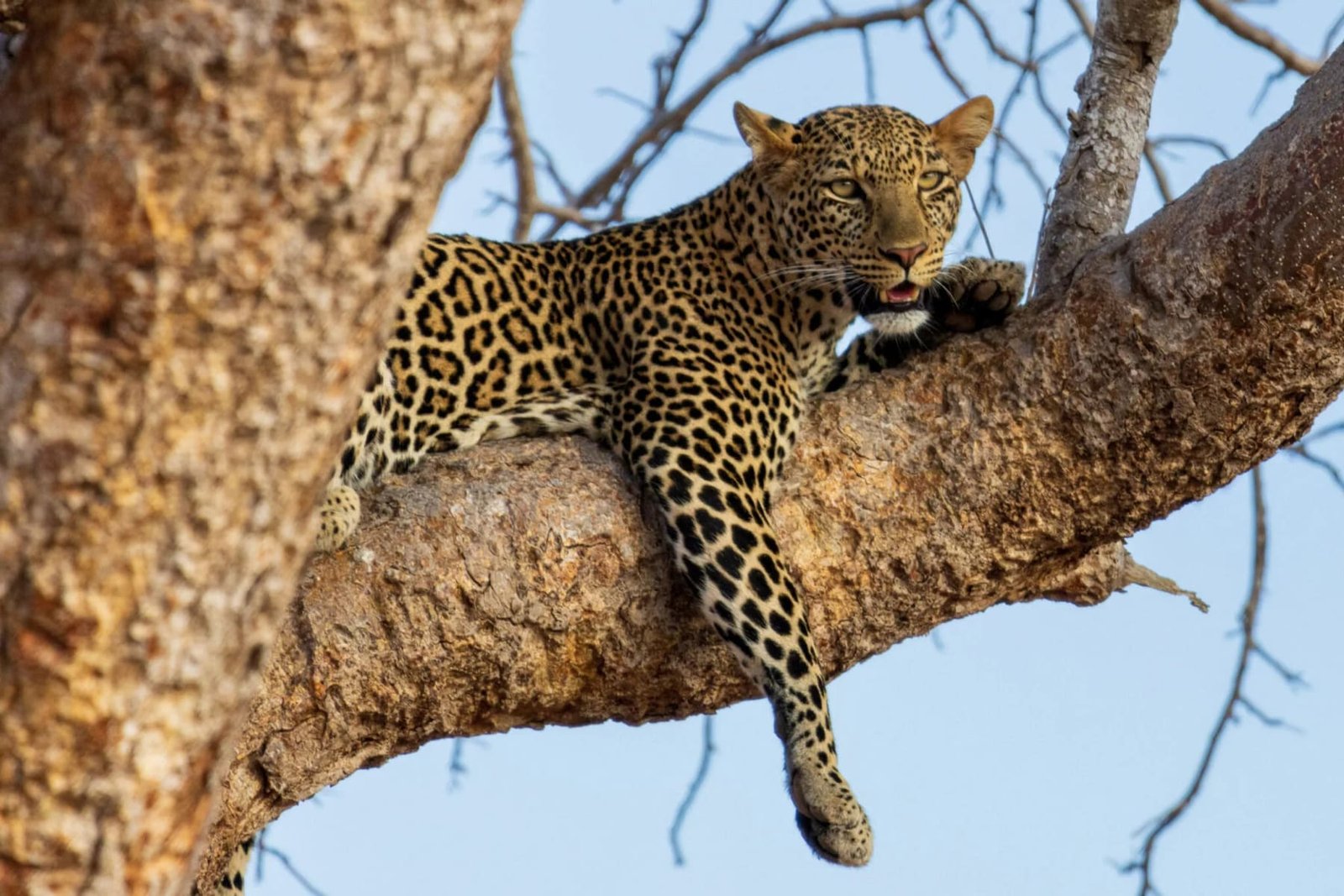
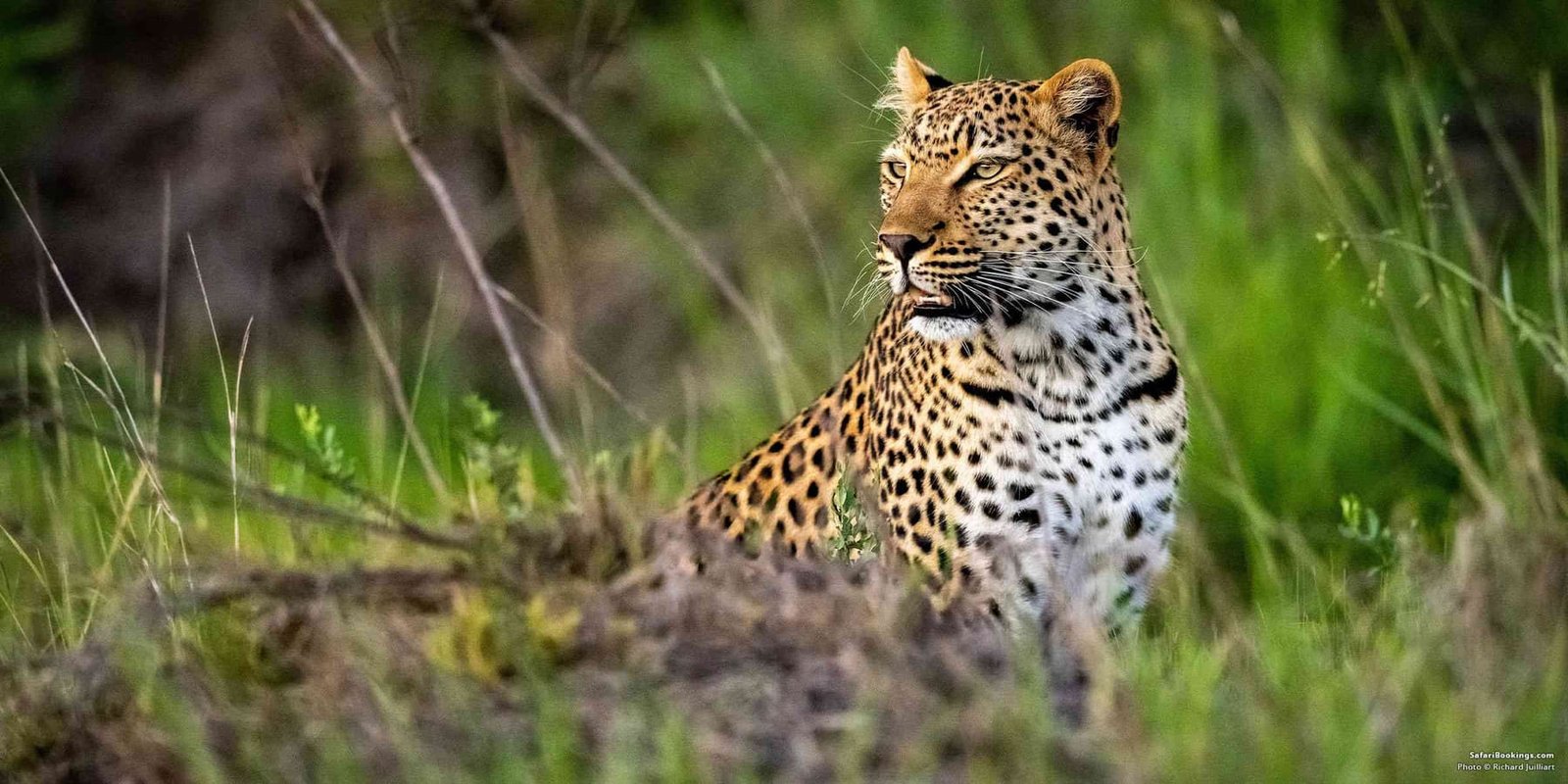
After breakfast, depart the crater rim for the Serengeti (approximately 3 hours including game drive en route). The road descends from the highlands into the vast open grasslands of the Serengeti. Cross the Naabi Hill Gate and the landscape opens up in every direction — the Serengeti is, in Maasai, "the place where the land runs on forever." And it does. The central Serengeti's Seronera Valley is the year-round heartland of the ecosystem — resident lion prides, leopards draped across riverine fig trees, cheetahs on termite mounds scanning the plain. En route to camp, a game drive through the valley: a large lion coalition near the Seronera River, a leopard with a kill in the fig trees above, a cheetah making a high-speed pursuit across the open plains. Arrive at your camp in time for sundowners. Dinner by torchlight on the open plains. The sound of hyenas in the darkness.
The alarm comes at 4:30 AM. A short drive to the launch site on the open plains. The balloon inflates in the darkness — the burners lighting the fabric orange in the pre-dawn. You climb in. The ground falls away. Below you, the Serengeti stretches to every horizon — an ocean of grass under a sky full of fading stars. As the sun rises over the escarpment to the east, the plains ignite in gold and amber. Wildebeest columns move across the plain in their thousands. Lions pad back from a night hunt. A cheetah moves through the long grass. The balloon drifts for over an hour. You descend to a champagne breakfast on the open plains — white linen, silver, a chef working at a bush kitchen as the day warms. A full morning game drive follows. An afternoon at leisure at the camp before a final Seronera Valley drive as the light turns amber. Sundowner. Night game drive. Bonfire dinner.
A full day dedicated to the Serengeti's legendary predator population. The Seronera Valley holds one of the highest densities of big cats on earth. Your guide connects via radio with the Serengeti Lion Project researchers, who share the morning's big cat locations. Dawn game drive: a coalition of four male lions at a buffalo kill, hyenas and vultures queuing at a respectful distance. Mid-morning: a mother cheetah with three cubs on a termite mound, scanning the plain. After a bush lunch in the shade of an acacia, an afternoon in search of the valley's resident leopards — some of the most habituated and photographed leopards anywhere in Africa. Sundowner at a kopje — a granite outcrop beloved by lions and hyrax alike, offering a 360-degree view across the endless plain. Night game drive. Dinner by starlight.
After breakfast, a game drive north through the Serengeti. The landscape shifts as you move north: the short grass plains of the centre give way to longer, golden savannah, rolling hills and the acacia woodlands of the Lobo Valley. And then you see them. A column of wildebeest — tens of thousands of them — moving north in single file, their distinctive grunting filling the air. The Great Migration. More than 1.5 million animals following their ancient instinct, moving toward the Mara River and the pastures beyond. Arrive at your northern Serengeti camp in time for lunch — a mobile tented camp positioned to provide the best possible access to the crossing points. An afternoon game drive to the Mara River: the river is high, fast-moving. Wildebeest cluster on the far bank, milling nervously. The question is when, not if. Return to camp as the sun sets over the Mara. Dinner under the stars, the rumble of the migration audible in the distance.
The day begins before dawn. You are at the Mara River before first light, positioned at a crossing point your guide has identified the previous evening. The sun rises. The wildebeest mass on the far bank — thousands of them, pressing forward. Then a leader plunges in. And then the world erupts. A torrent of wildebeest surges into the water. The river churns white. Crocodiles explode from the shallows. The noise is overwhelming — hooves, grunting, the sound of ten thousand animals driven by instinct toward the far bank. Some make it. Some do not. The crossing lasts twenty minutes. You watch in silence. A full day follows along the Mara River circuit, watching for repeat crossings and tracking the predators — lions, leopards and cheetahs — that shadow the migration. Return to camp. Sundowner on a river bluff, the migration stretching to the horizon. Bonfire dinner. This is the moment people come to Africa for.
A final full day in the northern Serengeti. Your guide asks what you most wish to see or revisit: the crossing points, the predator corridors or the vast herds moving through the Lamai Wedge to the north. You choose the river one last time. The morning brings another crossing — perhaps smaller than yesterday's, but no less extraordinary. Lions have followed the herds and made a kill on the near bank: a pride of eight lionesses and two large males, gorging while vultures wheel above and jackals wait at the edges. A bush lunch in the shade. Afternoon: the migration columns on the move north, the sound of a hundred thousand hooves on dry earth. Your guide sets up a sundowner on a kopje as the sun descends over the Mara. A farewell bonfire dinner back at camp. Tomorrow, you return south — but you carry the crossing with you for life.
An early morning game drive through the northern Serengeti — the light is extraordinary at this hour and the plains are active. Breakfast at camp. Then a bush flight from the Kogatende or Lamai airstrip to Arusha's Kilimanjaro International Airport (approximately 1 hour 30 minutes). From above, the Serengeti stretches away below you — the wildebeest columns visible from the air, tiny dark rivers moving across an ocean of gold. You land at Kilimanjaro and are transferred to the airport for your international departure. Your guide hands you a small gift — a memento of twelve extraordinary days. You promise to return. You know you will. Meals Included on Departure Day: Breakfast
We are here for that. Every Finders & Keepers Safaris itinerary is a starting point, not a fixed departure — the pace, the lodges, the length, the dates and the party travelling can all be reshaped around you. Tell us what you would change and a specialist will rebuild the journey and price it honestly, before you commit to anything.
Tailor This Journey →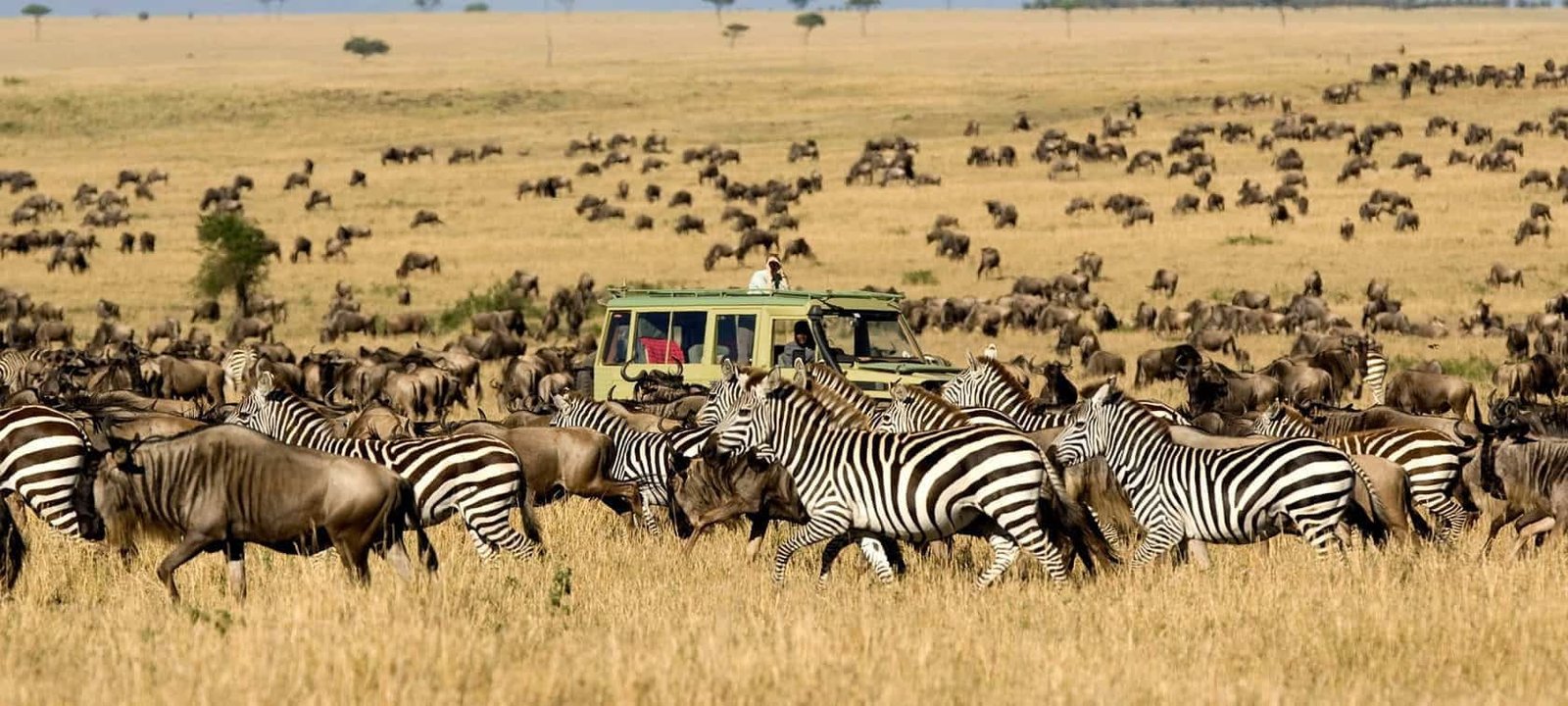
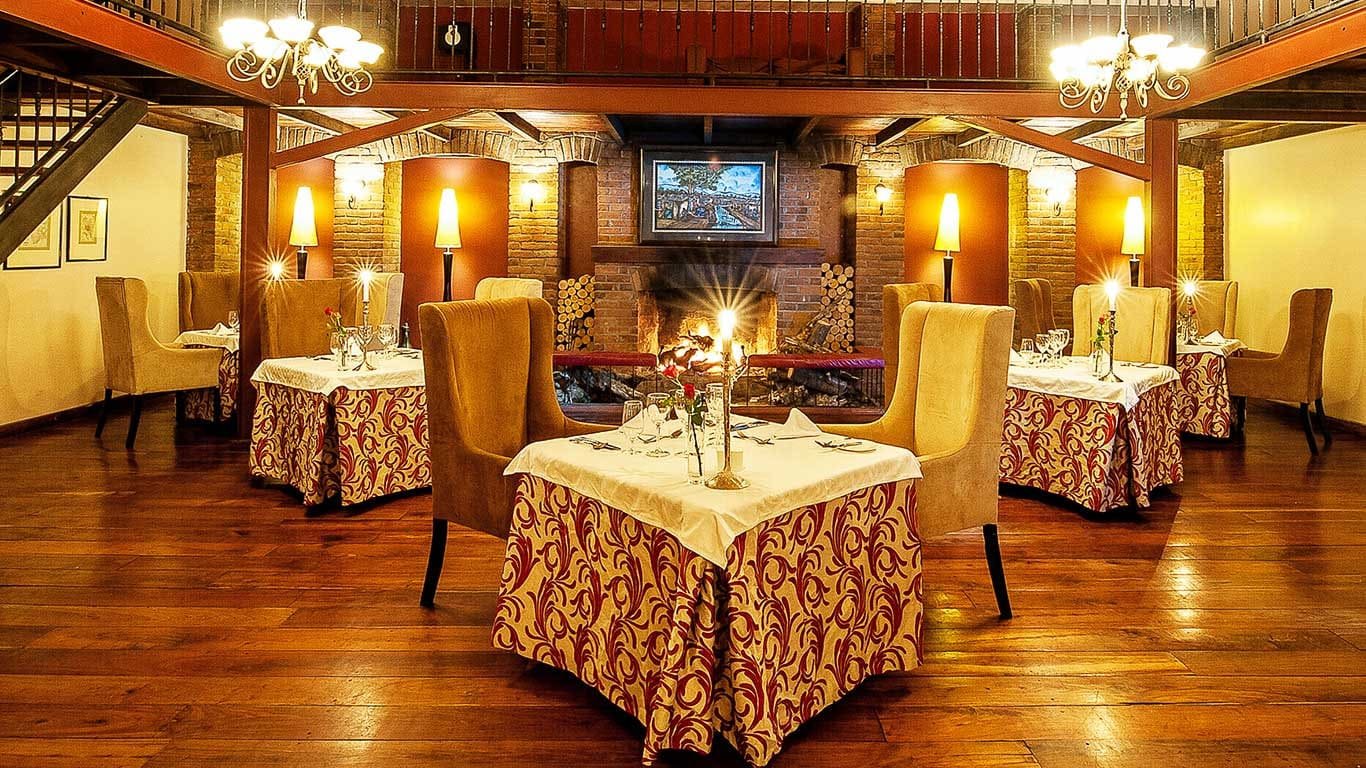
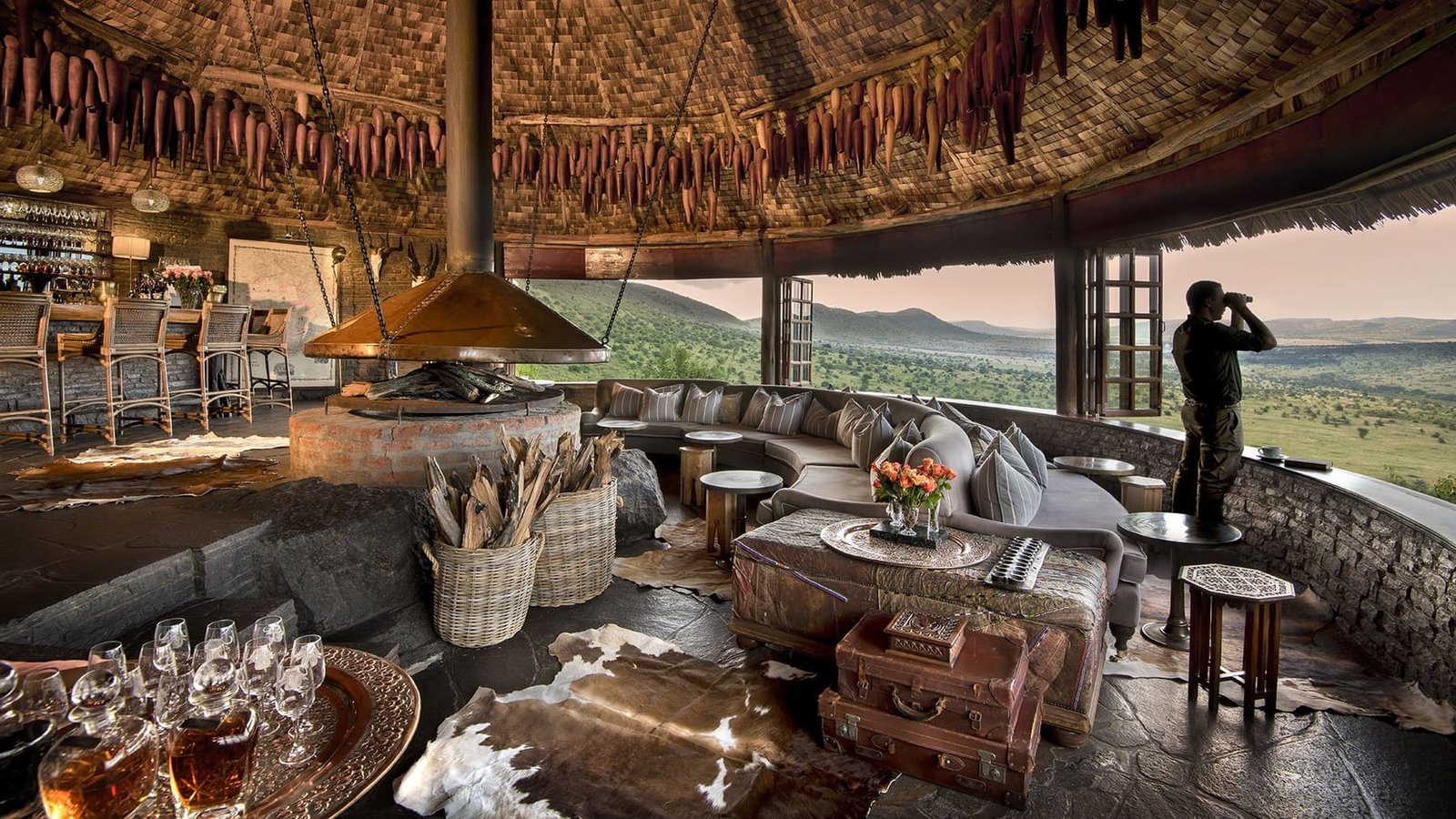
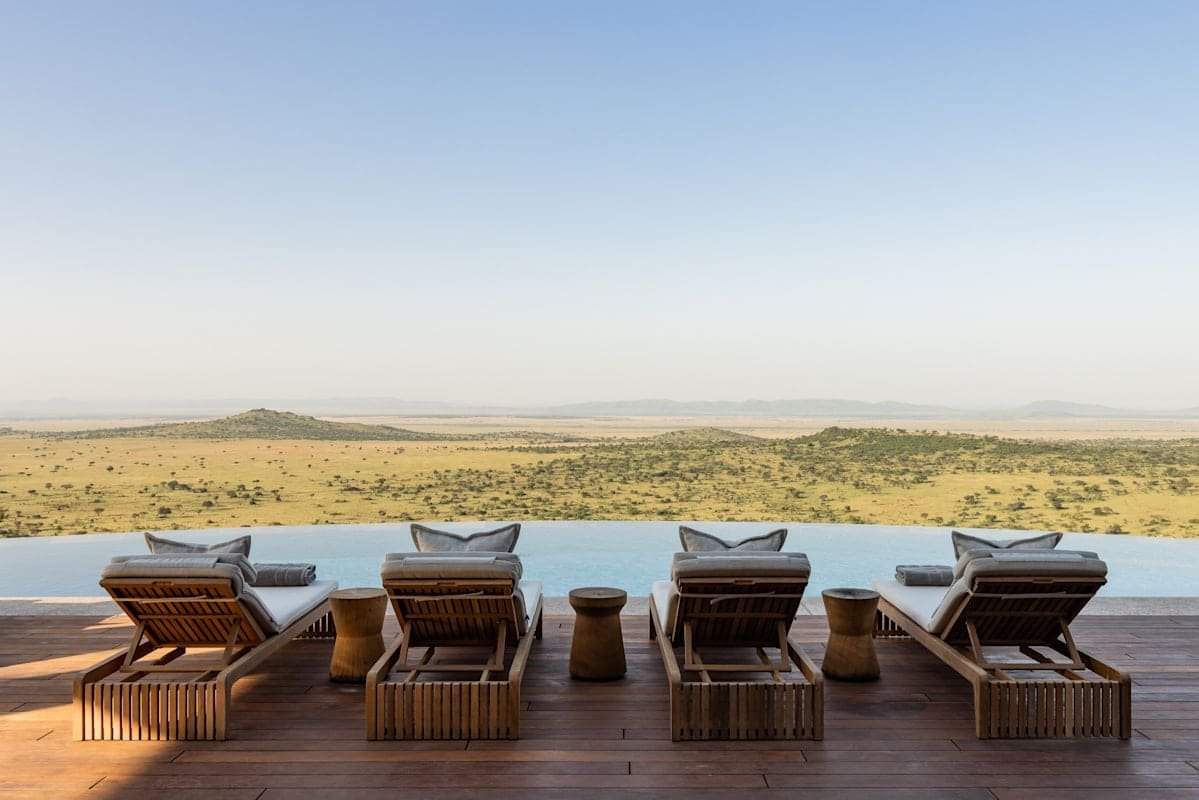
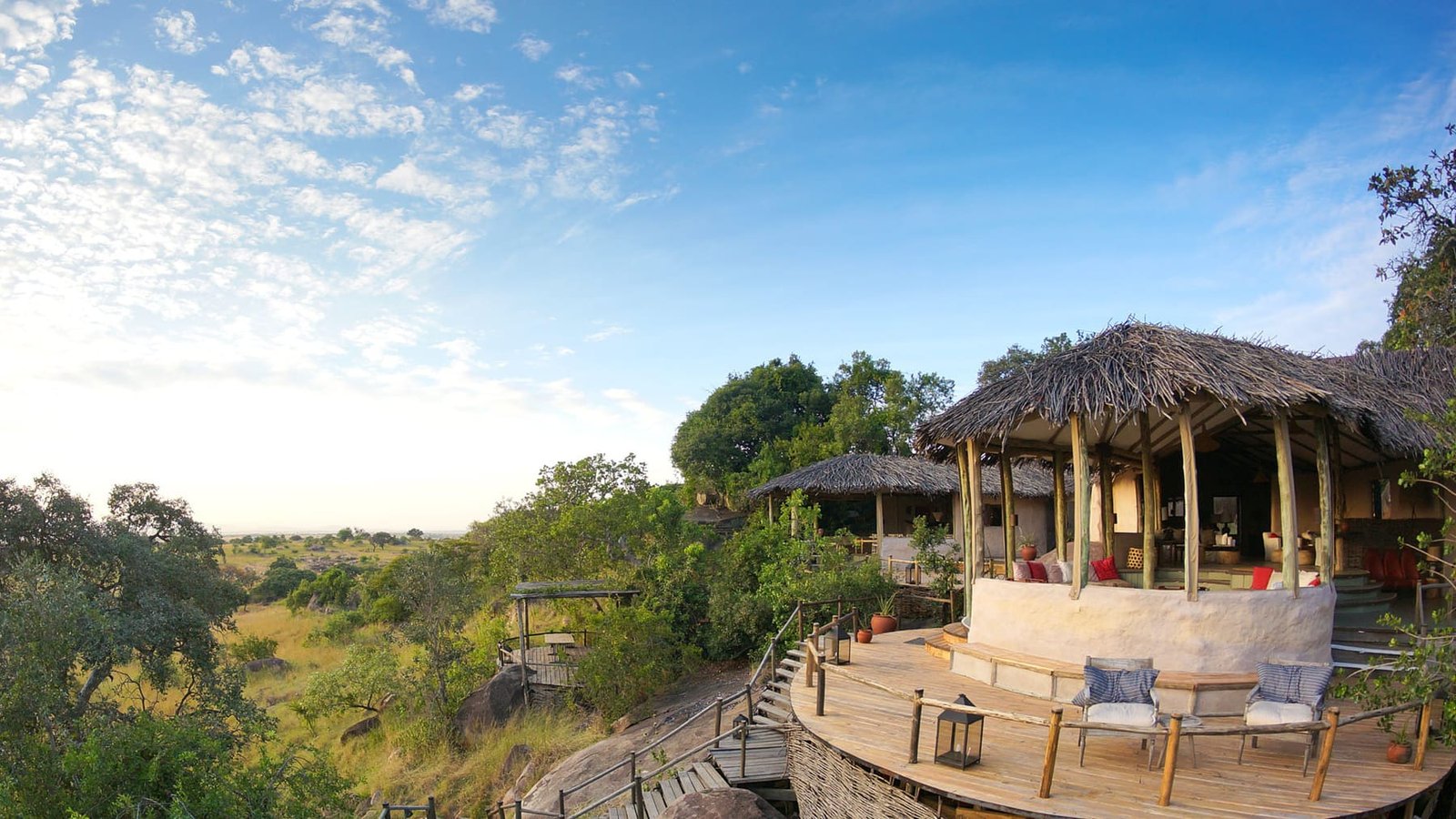
Twelve days timed around the Great Migration: Tarangire’s baobabs, Ngorongoro’s crater floor and a mobile camp in the Serengeti’s northern crossing zone.
Three nights in an exclusive mobile tented camp in the northern Serengeti, the migration’s prime crossing zone, where wildebeest surge across the Mara River in their tens of thousands.
A full-day descent into the Ngorongoro Crater, a UNESCO World Heritage Site, and Tarangire’s big elephant herds among ancient baobabs.
A sunrise balloon over the Serengeti with a champagne breakfast on the plains, and night game drives for leopards, lions and aardvarks.
Hold 2027 for half the usual deposit
Confirm any 2027 departure with a 15% deposit instead of the usual 30%, booked before 31 December 2026.
30% off the single supplement
Travelling on your own? We cut the single traveller supplement by 30% across selected 2027 departures.
Bring three, the fourth travels free
Book four guests on a 2027 group departure and the fourth guest’s safari cost is on us.
The same unforgettable journey, priced by season.
Reserve today with a low early deposit to lock in your 2027 dates and pricing.
Spread the rest across convenient instalments, at a pace that suits you.
Final balance due one month before departure — nothing more to pay once you fly.
Varies by camp, activity and national park
Duffel, safari hat, vest and hooded jumper
Migration timing varies with seasonal rains
The wildebeest migration moves across the Serengeti ecosystem on a roughly annual cycle driven by rainfall, so exact river-crossing locations shift year to year. Malaria prophylaxis is recommended for all safari areas.
Visa on arrival or e-Visa, from $50
Guaranteed to operate with a minimum of 4 guests