Canal palaces
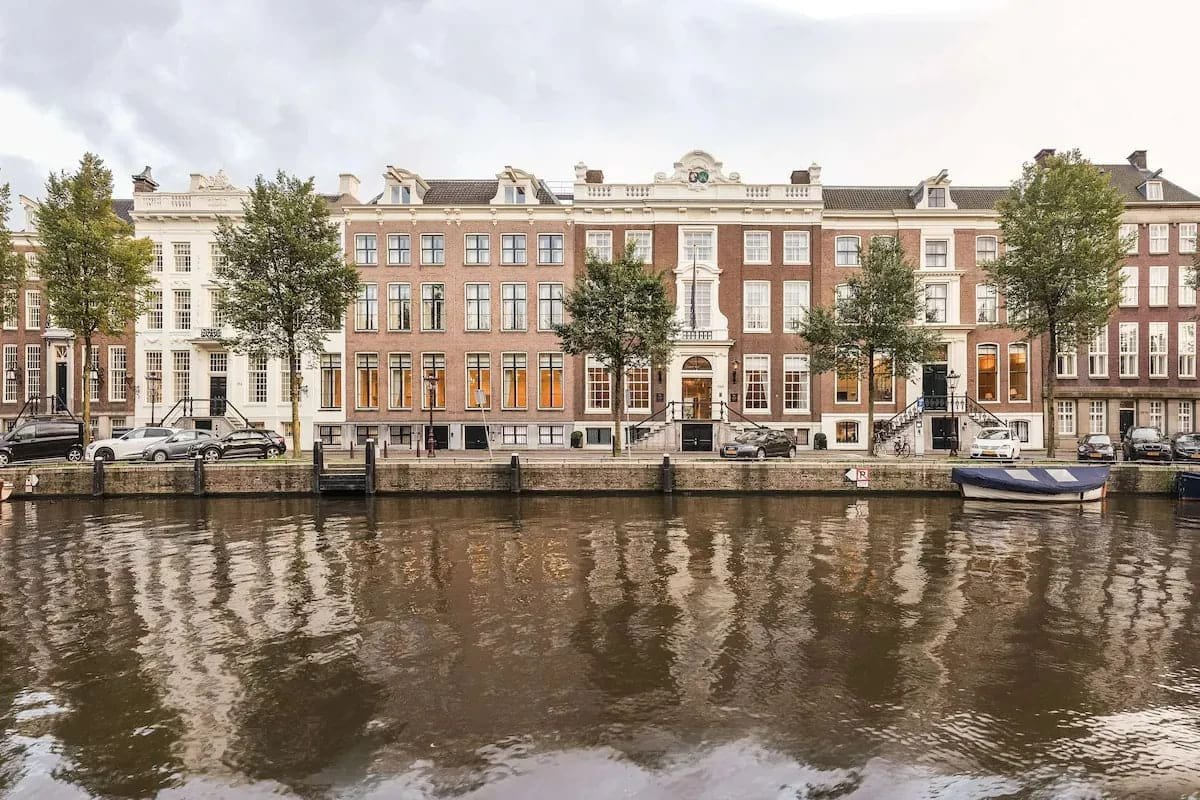
Three nights at the Waldorf Astoria Amsterdam, spread across six canal palaces on the Herengracht, plus a private canal cruise and walks through the Jordaan, the Begijnhof and the Nine Streets.
Golden Age canals, Rotterdam’s Cube Houses, the Grand Place, medieval Bruges and the Ghent Altarpiece
See Pricing & Inclusions ↓OverviewA grand tour of the Low Countries — from Amsterdam’s Golden Age canals to Rotterdam’s futuristic skyline, from the guildhalls of the Grand Place to the medieval streets of Bruges, and finally to Ghent, which is the one everybody misses. Two nations with a shared history and very different tempers, plus chocolate, beer and some of the finest painting in Europe.
| Best For | Culture seekers, art lovers and anyone who takes chocolate and beer seriously |
| Duration | 10 Days / 9 Nights |
| Route | Amsterdam → Rotterdam → Brussels → Bruges → Ghent |
| Group Size | Private or small group — guided throughout |
| Price From | $11,800 per person sharing |
Three nights at the Waldorf Astoria Amsterdam, across six canal palaces on the Herengracht
A private canal cruise through the UNESCO-listed Grachtengordel
The Jordaan, the Begijnhof and the Nine Streets on foot
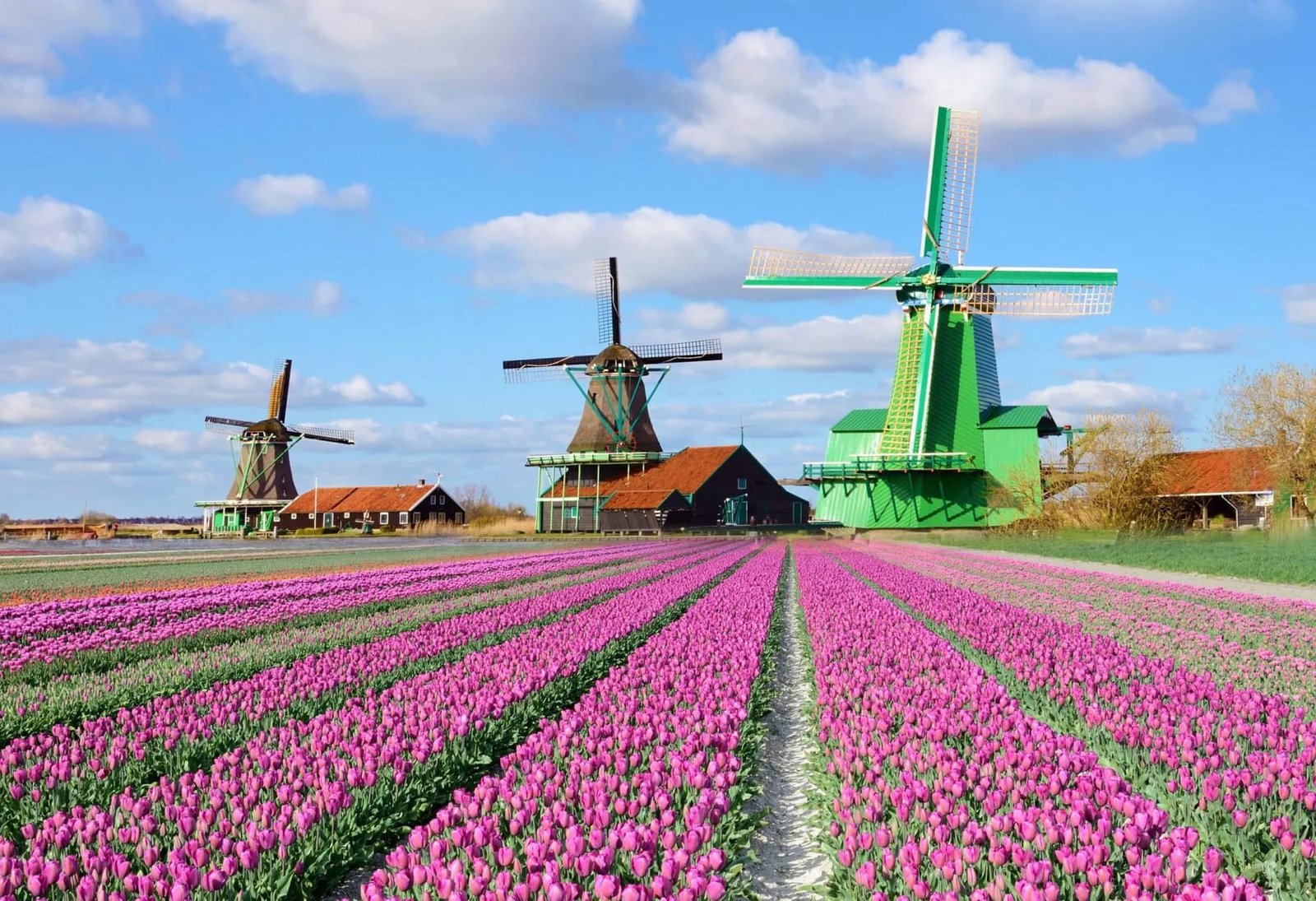
Zaanse Schans, Volendam and Marken in one countryside day
Rotterdam’s Markthal, Cube Houses and Erasmus Bridge
The Grand Place — among the most beautiful squares in Europe
A Belgian chocolate-making workshop in a country with over 2,000 chocolatiers
Bruges: the Belfry, Burg Square, the Basilica of the Holy Blood and a canal cruise
The Groeninge Museum’s Flemish Primitives — Van Eyck and Memling
Ghent, Gravensteen Castle and Van Eyck’s Ghent Altarpiece in Saint Bavo’s
Amsterdam → Zaanse Schans → Rotterdam → Brussels → Bruges → Ghent. Day-by-day scrollspy markers to follow.
Land at Schiphol and transfer to the Waldorf Astoria, which spans six 17th- and 18th-century canal palaces on the Herengracht inside the UNESCO-listed canal district, and has the largest private garden in the city behind it.
The evening starts at Dam Square, where the city began — the site of the original dam on the Amstel that gave Amsterdam its name. The Royal Palace beside it was built in the 17th century as the town hall, at a scale intended to make a point about Golden Age wealth.
Then the Nieuwe Kerk, Kalverstraat and the narrow lanes of the Grachtengordel. Dinner is Dutch: bitterballen, Gouda and aged farmhouse cheese, herring with onions, stamppot, and apple pie with a thick buttery crust.
A private walking morning through the parts of Amsterdam that reward slowness. The Jordaan was built in the 17th century for labourers and artisans and is now the most desirable address in the city, all narrow streets, independent shops and hidden courtyards.
The Begijnhof is one of the oldest inner courtyards in Amsterdam, dating to the 14th century, once home to the Beguines — a community of religious women who took no formal vows — and still improbably silent a minute from the shopping streets. Then the Nine Streets, and the canal ring itself.
The afternoon is a private canal cruise, which is genuinely the right way to understand the city: gabled merchant houses, houseboats and the Skinny Bridge, with the Golden Age explained from the water it was built on. Dinner beside the canals.
A private countryside day. Zaanse Schans is an open-air museum where the 18th and 19th centuries are kept running — the Zaandam region once held over a thousand windmills, and several here still work, grinding spices, sawing timber and pressing oil and paint.
The green-and-white timber houses of the Zaan region stand alongside them, with traditional cheesemaking at the Catharina Hoeve farm and a clog workshop where the carving is demonstrated rather than described.
Then Volendam, a fishing village on the IJsselmeer with coloured houses, a working harbour and traditional costume still worn by some of its older residents. If time allows, Marken — a former island of houses built on stilts, connected to the mainland by causeway since 1957.
An hour by train south to Rotterdam, a city that was flattened in 1940 and rebuilt into something no other Dutch city resembles.
Check in at the Mainport on the waterfront, then explore. The Markthal is a horseshoe of apartments wrapped around a market hall, with an enormous mural of fruit and vegetables across the inner ceiling. Piet Blom’s Cube Houses are tilted 45 degrees and were meant as a village raised above the city.
Then the Erasmus Bridge — the Swan — across the Nieuwe Maas, and the Oude Haven, where the historic harbour sits surrounded by contemporary towers. Dinner is modern Dutch.
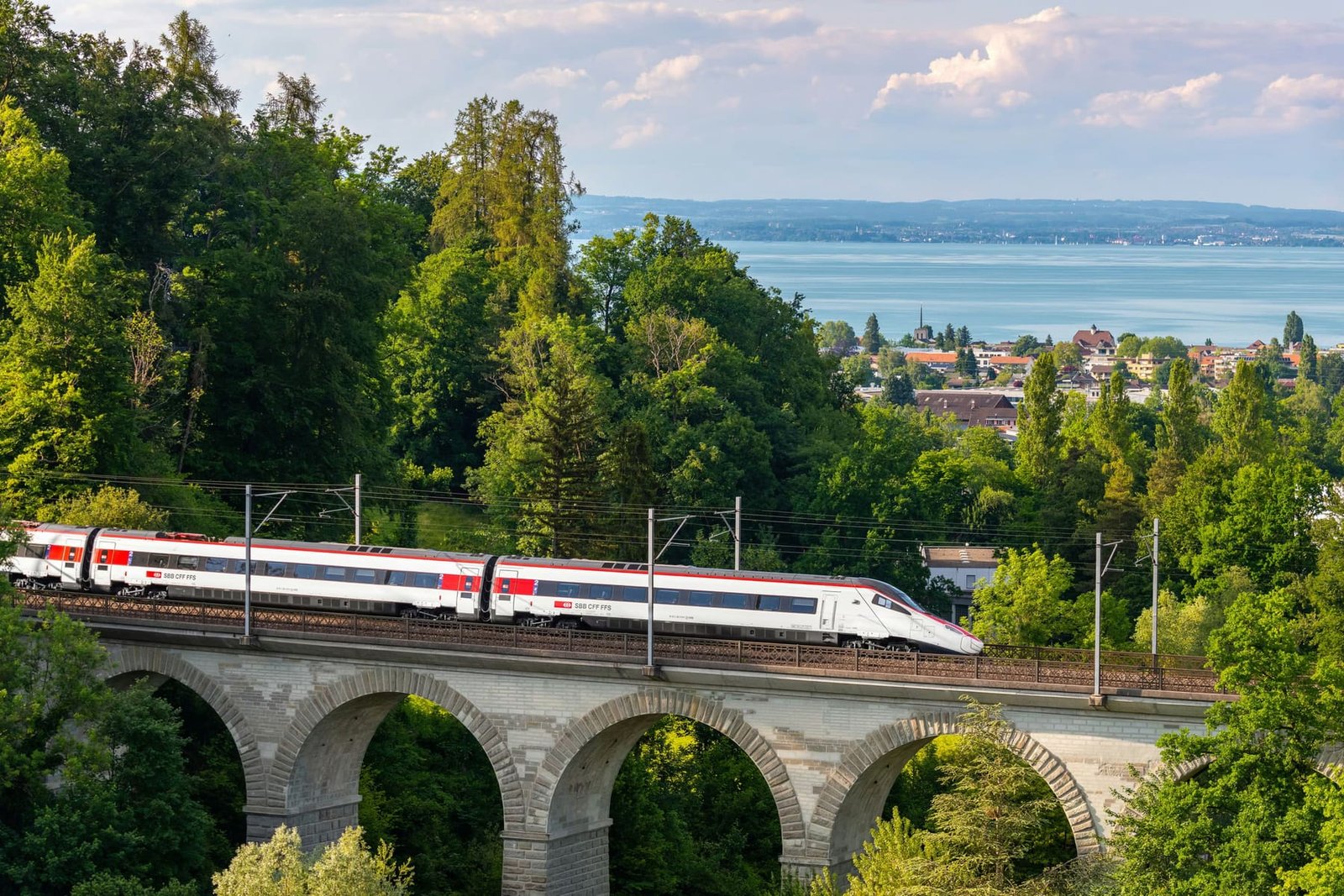
A high-speed train south, about an hour and forty-five minutes, from the Netherlands into Belgium.
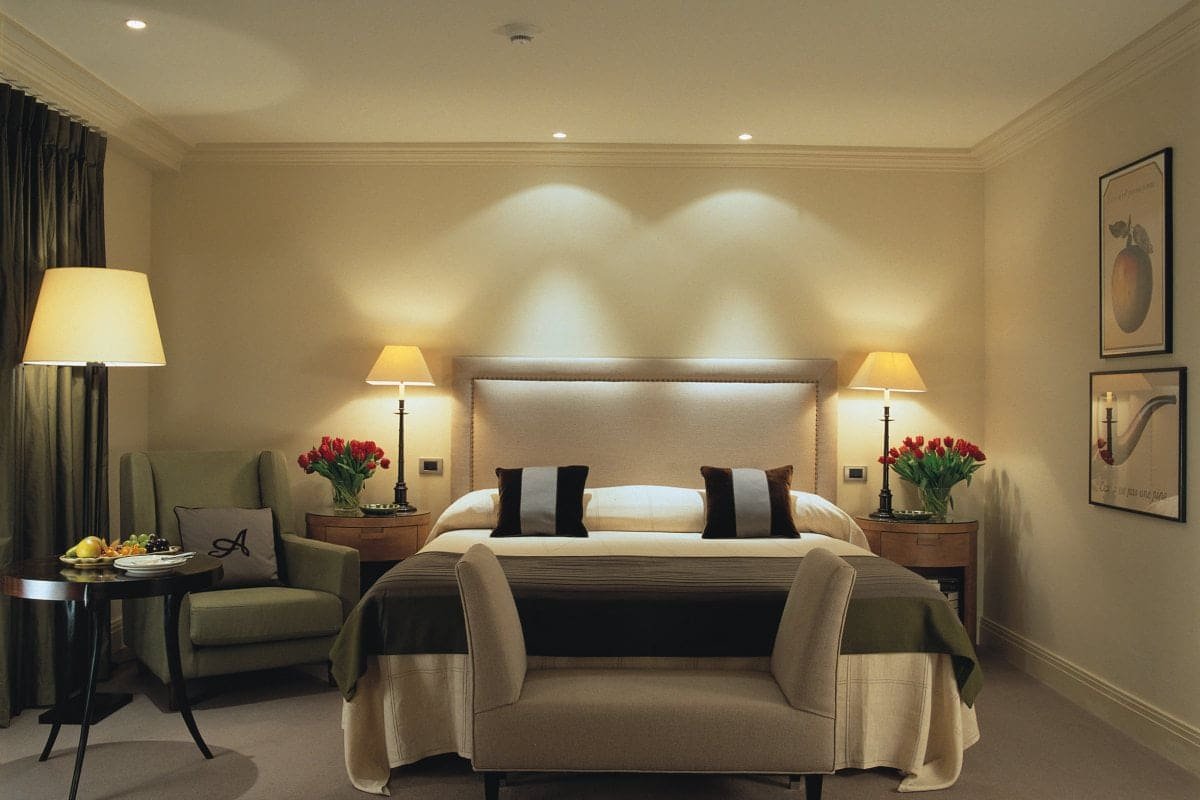
Check in at Hotel Amigo, a Rocco Forte hotel a few steps from the Grand Place, and one that leaves Tintin and Milou figures in the rooms and Belgian chocolates by the bed each night.
The afternoon begins at the Grand Place, a UNESCO site and by common consent one of the most beautiful squares in Europe — gilded guildhalls on every side and a Gothic town hall on one. Then the Galeries Royales Saint-Hubert, a 19th-century glazed arcade full of chocolate shops; the Manneken Pis, which is smaller and funnier than anyone expects; and the Mont des Arts for the view. The evening is Belgian: chocolate, waffles, frites with mayonnaise, moules-frites, and beer chosen from a list that runs to hundreds.
A private city morning: the Grand Place again in daylight, when the gilding actually reads; the Royal Palace exterior; the Atomium, built for the 1958 World’s Fair as an iron crystal magnified 165 billion times; the European Quarter; the Cinquantenaire arch; and the Sablon, with its antique dealers and its church.
The afternoon is a chocolate-making workshop. Belgium has over two thousand chocolatiers, and an hour spent tempering, moulding and filling your own pralines explains why they take it as seriously as they do.
Dinner at a traditional brasserie in the Sablon.
An hour by train to Bruges, and a transfer to the Hotel Dukes’ Palace — a 15th-century palace built by the Duke of Burgundy for his royal marriage, now the only five-star hotel in Bruges set inside a former chateau, and holder of a Michelin Key.
Bruges genuinely feels frozen. Markt Square is dominated by the Belfry, a UNESCO-listed medieval bell tower whose 366 steps repay the climb. Burg Square holds the Gothic town hall and the Basilica of the Holy Blood, which claims a vial of Christ’s blood brought back from the Second Crusade.
Rozenhoedkaai is the most photographed corner in Belgium, and a canal cruise under the low bridges shows why the city was laid out the way it was. Dinner overlooking a canal.
A slower day. The Groeninge Museum holds one of the great collections of Flemish Primitive painting, with Jan van Eyck and Hans Memling at its centre — small panels, extraordinary detail, and the moment oil painting changed.
The Begijnhof is a 13th-century courtyard that was a community for lay religious women and is now a walled patch of silence. Minnewater, the Lake of Love, is beside it, and the Church of Our Lady holds Michelangelo’s Madonna of Bruges — the only sculpture of his to leave Italy in his lifetime.
The afternoon is a chocolate workshop with a master chocolatier. The evening is the point of staying two nights: once the day-trippers have gone, Bruges empties, the canals reflect the lit facades, and the city becomes something else entirely.
Thirty minutes to Ghent, which is the city most itineraries skip and the one people come home talking about. It has medieval architecture on the scale of Bruges and a large student population, so it is lived in rather than preserved.
Gravensteen is a moated castle in the middle of the city, complete with a genuinely disquieting collection of torture instruments. Saint Bavo’s Cathedral holds the Ghent Altarpiece — Van Eyck’s Adoration of the Mystic Lamb, one of the most important, most stolen and most argued-over paintings in the world.
The Graslei and Korenlei quays along the Leie are lined with guildhalls, and the afternoon is Belgian beer and food in a city that does both very well. Back to Bruges for a farewell dinner — mussels, frites, or Flemish stoofvlees.
Breakfast at the hotel and a final walk along the canals or a last chocolate shop, then a private transfer from Bruges to Brussels Airport, about an hour.
We are here for that. Every Finders & Keepers Safaris itinerary is a starting point, not a fixed departure — the pace, the lodges, the length, the dates and the party travelling can all be reshaped around you. Tell us what you would change and a specialist will rebuild the journey and price it honestly, before you commit to anything.
Tailor This Journey →
Amsterdam’s canal palaces, windmill villages and Rotterdam’s architecture, then Brussels, Bruges and Ghent.
Three nights at the Waldorf Astoria Amsterdam, spread across six canal palaces on the Herengracht, plus a private canal cruise and walks through the Jordaan, the Begijnhof and the Nine Streets.
Zaanse Schans, Volendam and Marken in one countryside day, and Rotterdam’s Markthal, Cube Houses and Erasmus Bridge.
Brussels’ Grand Place, then Bruges from Hotel Dukes’ Palace, and Ghent.
Hold 2027 for half the usual deposit
Confirm any 2027 departure with a 15% deposit instead of the usual 30%, booked before 31 December 2026.
The same unforgettable journey, priced by season.
Reserve today with a low early deposit to lock in your 2027 dates and pricing.
Spread the rest across convenient instalments, at a pace that suits you.
Final balance due one month before departure — nothing more to pay once you fly.
Travel wallet, city guide and a good pair of walking shoes
Bruges is best after the day-trippers leave
Bruges receives an enormous number of day visitors and empties out in the early evening, which is why this itinerary keeps you there for two nights rather than one. The Belfry is 366 steps with no lift and a timed queue. Everything on this journey is walked, and all five cities are cobbled.
Schengen entry requirements apply
Private, tailor-made departures on your dates
A deposit of 30% is required to confirm your booking, with the balance due 60 days before departure. All itineraries can be tailored — extend a stay, add a destination, or adjust the pace to suit you. Comprehensive travel insurance covering trip cancellation, medical evacuation and personal effects is required for all guests. Your dedicated specialist remains on call throughout your journey for any changes or assistance you need.