The Dutch masters
The Rijksmuseum’s Night Watch and Vermeer, and the Van Gogh Museum’s 200 paintings, 500 drawings and 700 letters.
Rembrandt and Van Gogh, working windmills, the silent canals of Giethoorn and Vermeer’s Girl with a Pearl Earring
See Pricing & Inclusions ↓OverviewA journey through the Netherlands — from the elegant canals of Amsterdam to the peaceful waterways of Giethoorn, from Rotterdam’s cutting-edge architecture to the UNESCO-listed windmills of Kinderdijk, and finally to the royal charm of The Hague and Delft. Golden Age art, engineering the sea itself, and a country that has been arguing with water for eight hundred years.
| Best For | First-time visitors, art lovers and anyone who wants the country beyond Amsterdam |
| Duration | 10 Days / 9 Nights |
| Route | Amsterdam → Giethoorn → Rotterdam → Kinderdijk → Delft → The Hague |
| Group Size | Private or small group — guided throughout |
| Price From | $11,200 per person sharing |
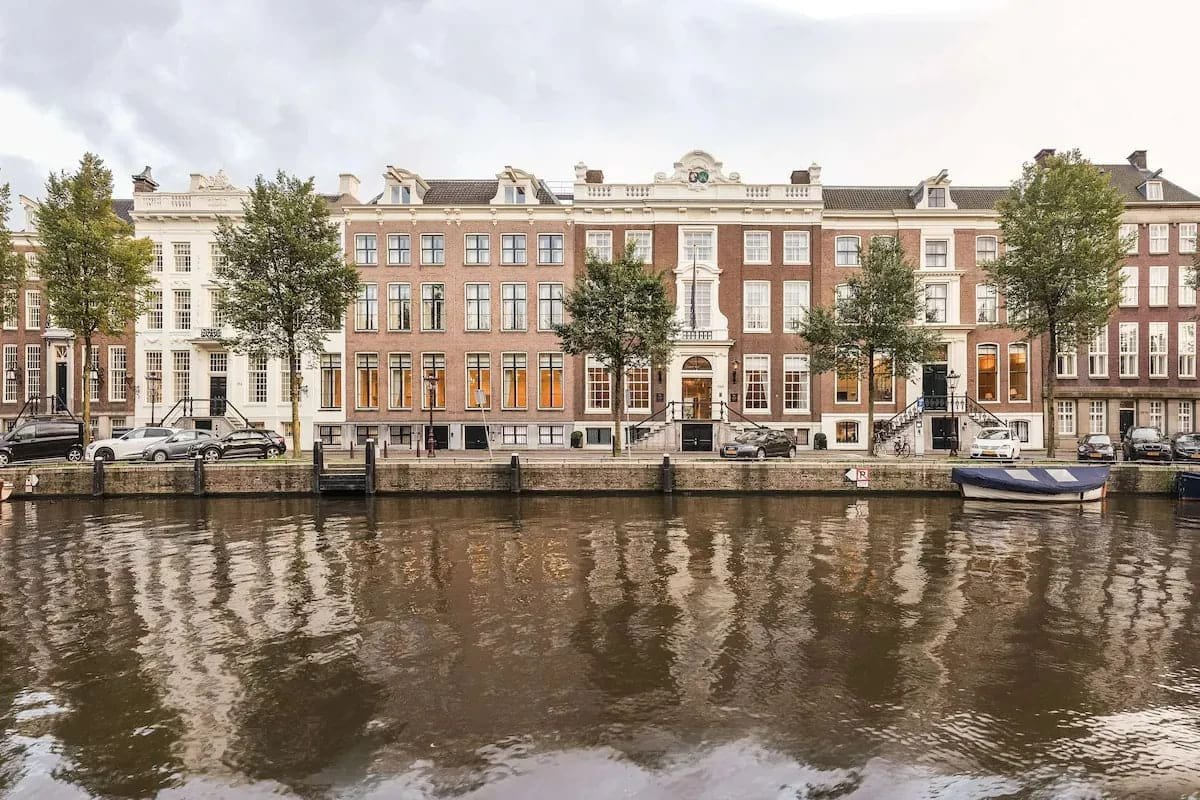
Five nights at the Waldorf Astoria Amsterdam, across six canal palaces on the Herengracht
The Rijksmuseum — Rembrandt’s Night Watch, Vermeer and the Dutch Golden Age
The Van Gogh Museum: 200 paintings, 500 drawings and 700 letters
A private canal cruise through the UNESCO-listed Grachtengordel
The Jordaan, the 14th-century Begijnhof courtyard and the Nine Streets
Zaanse Schans — working windmills, cheesemaking and a clog workshop
The Keukenhof in season, with seven million bulbs across 32 hectares
Giethoorn by private electric boat, on canals with almost no roads
Kinderdijk — nineteen windmills of 1740, still standing and still lived in
Vermeer’s Girl with a Pearl Earring at the Mauritshuis
Amsterdam → Zaanse Schans → Volendam → Keukenhof → Giethoorn → Rotterdam → Kinderdijk → Delft → The Hague. Day-by-day scrollspy markers to follow.
Land at Schiphol and transfer to the Waldorf Astoria, which spans six 17th- and 18th-century canal palaces on the Herengracht inside the UNESCO-listed canal district, and has the largest private garden in the city behind it.
The evening starts at Dam Square, where the city began — the site of the original dam on the Amstel that gave Amsterdam its name. The Royal Palace beside it was built in the 17th century as the town hall, at a scale intended to make a point about Golden Age wealth.
Then the Nieuwe Kerk, Kalverstraat and the narrow lanes of the Grachtengordel. Dinner is Dutch: bitterballen, Gouda and aged farmhouse cheese, herring with onions, stamppot, and apple pie with a thick buttery crust.
A private walking morning through the parts of Amsterdam that reward slowness. The Jordaan was built in the 17th century for labourers and artisans and is now the most desirable address in the city, all narrow streets, independent shops and hidden courtyards.
The Begijnhof is one of the oldest inner courtyards in Amsterdam, dating to the 14th century, once home to the Beguines — a community of religious women who took no formal vows — and still improbably silent a minute from the shopping streets. Then the Nine Streets, and the canal ring itself.
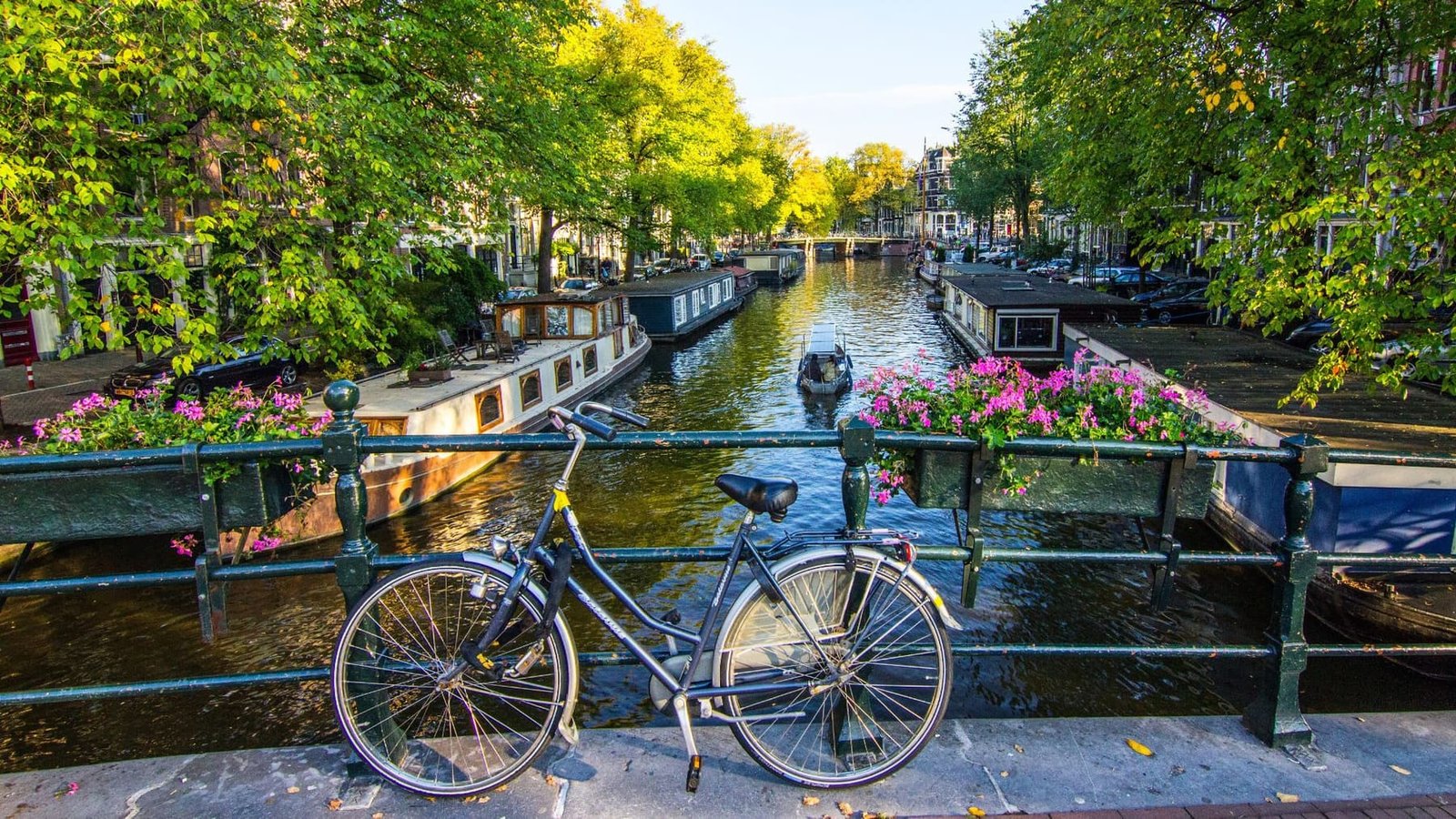
The afternoon is a private canal cruise, which is genuinely the right way to understand the city: gabled merchant houses, houseboats and the Skinny Bridge, with the Golden Age explained from the water it was built on. Dinner beside the canals.
The Rijksmuseum first, and the Gallery of Honour: Rembrandt’s Night Watch at the end of it, with Vermeer, Frans Hals and the rest of the Golden Age either side. The building itself is a Gothic Revival masterpiece, and the collection runs to more than eight thousand objects, from Delftware to dolls’ houses.
Then the Van Gogh Museum, holding the largest collection of his work anywhere: over 200 paintings, 500 drawings and 700 letters, arranged as a life rather than a gallery — from the dark Dutch years through to the Sunflowers, Almond Blossom and the Bedroom.
The afternoon is the Museumplein, with the Stedelijk and the Concertgebouw around it. The evening is free.
A private countryside day. Zaanse Schans is an open-air museum where the 18th and 19th centuries are kept running — the Zaandam region once held over a thousand windmills, and several here still work, grinding spices, sawing timber and pressing oil and paint.
The green-and-white timber houses of the Zaan region stand alongside them, with traditional cheesemaking at the Catharina Hoeve farm and a clog workshop where the carving is demonstrated rather than described.
Then Volendam, a fishing village on the IJsselmeer with coloured houses, a working harbour and traditional costume still worn by some of its older residents. If time allows, Marken — a former island of houses built on stilts, connected to the mainland by causeway since 1957.
In season, this is the Keukenhof at Lisse, in the heart of the bulb-growing region and one of the most famous flower gardens in the world. Seven million bulbs are planted across 32 hectares, arranged into themed pavilions and colour fields, with the commercial bulb fields stretching to the horizon beyond the fence.
What is out depends on when you come — crocuses and daffodils in March, the main tulips in April, late tulips and alliums in May. A bicycle through the surrounding fields is the best possible use of an afternoon.
Outside the eight-week season, the day becomes Haarlem instead: the Grote Markt, the hidden hofjes almshouses, the Frans Hals Museum, and the flower-growing country around the town. Back to Amsterdam in the evening.
Northeast to Giethoorn, which is called the Venice of the Netherlands and for once deserves the comparison. The village grew where peat was dug out centuries ago, leaving pools that were joined into canals; the houses sit on small islands, there are very few roads, and the main transport is a boat.
You explore by private electric boat, which is close to silent, passing under the wooden footbridges and along the thatched farmhouses that line the water. On foot, the paths between the canals are just as good.
The village sits inside the Weerribben-Wieden National Park, and the evening is exactly as quiet as it sounds.
South to Rotterdam, which was almost entirely destroyed by bombing in 1940 and rebuilt as something no other Dutch city resembles.
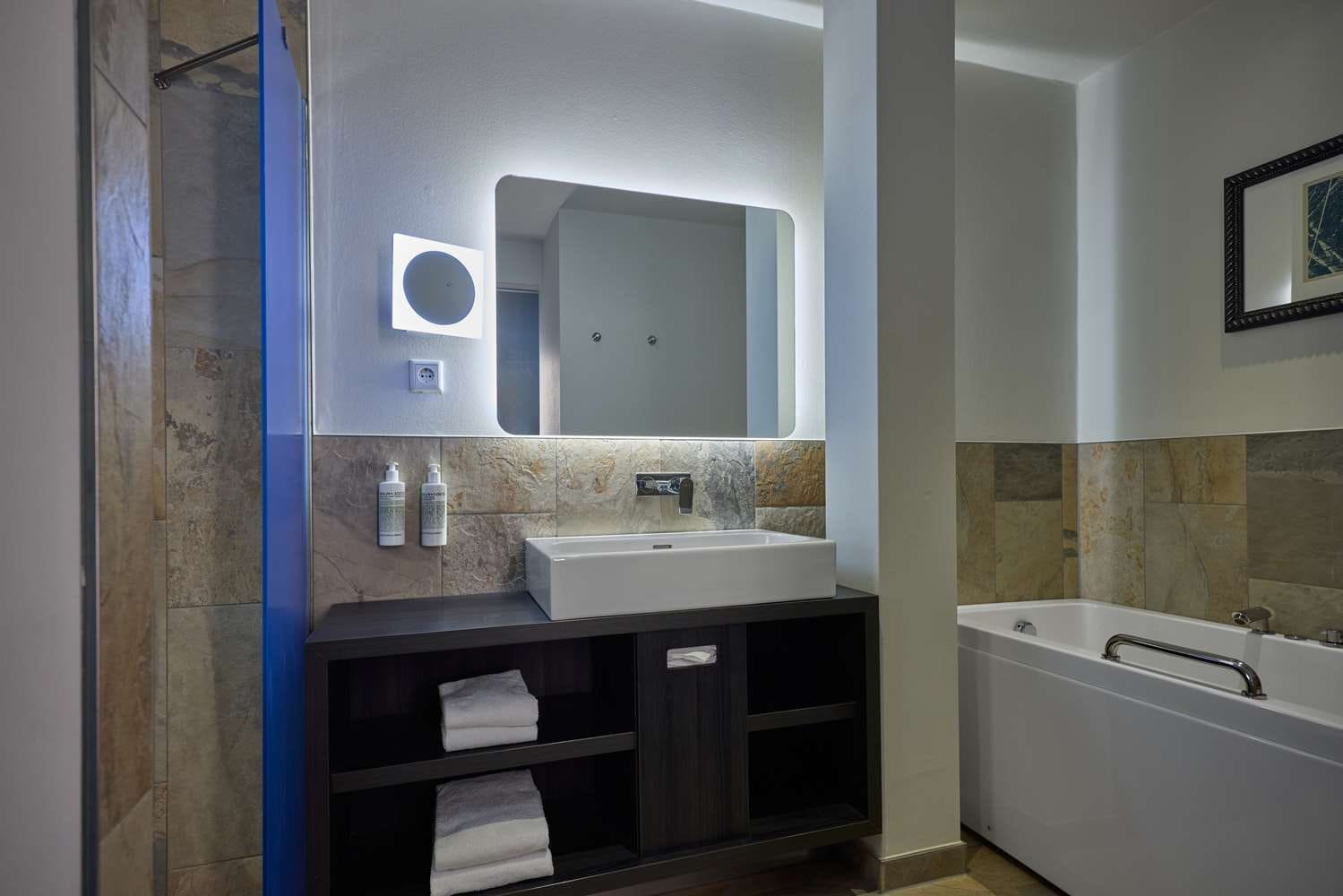
Check in at the Mainport on the waterfront, with a Finnish panorama sauna on the eighth floor looking over the skyline.
The afternoon is architecture: the Markthal, a horseshoe of apartments wrapped around a market hall with an enormous fruit-and-vegetable mural across its inner ceiling; Piet Blom’s Cube Houses, tilted 45 degrees and meant as a village within the city; the Erasmus Bridge, nicknamed the Swan; and the Oude Haven, where the old and new sit side by side. Dinner is modern Dutch.
A private excursion to Kinderdijk, in the Alblasserwaard polder where the Lek and the Noord meet. Nineteen windmills built around 1740 to drain the polder still stand where they were put, and are still lived in by millers and their families.
You go inside three of them, each furnished to a different period, and you see the wider system they belonged to — the Wisboom pumping station of 1868 and the J.U. Smit station that succeeded it. This is the longest-standing water management system still in operation anywhere, and it is why a third of this country is not under the sea.
A boat along the waterways gives the view the mills were designed to be seen from. Back to Rotterdam in the evening.
Delft first — a smaller, quieter Amsterdam, with canals, medieval streets and the blue-and-white pottery that carries its name. A workshop shows how Delft Blue is actually made, and the Nieuwe Kerk holds the tombs of the Dutch royal family.
Then The Hague, seat of government and of international law. The Peace Palace houses the International Court of Justice; the Binnenhof is among the oldest parliamentary complexes still in use anywhere.
The Mauritshuis is the reason to linger: a small museum with an outsized collection, and Vermeer’s Girl with a Pearl Earring in it. Finish at Scheveningen, the city’s seaside resort, with its pier and its North Sea beach. Farewell dinner in The Hague.
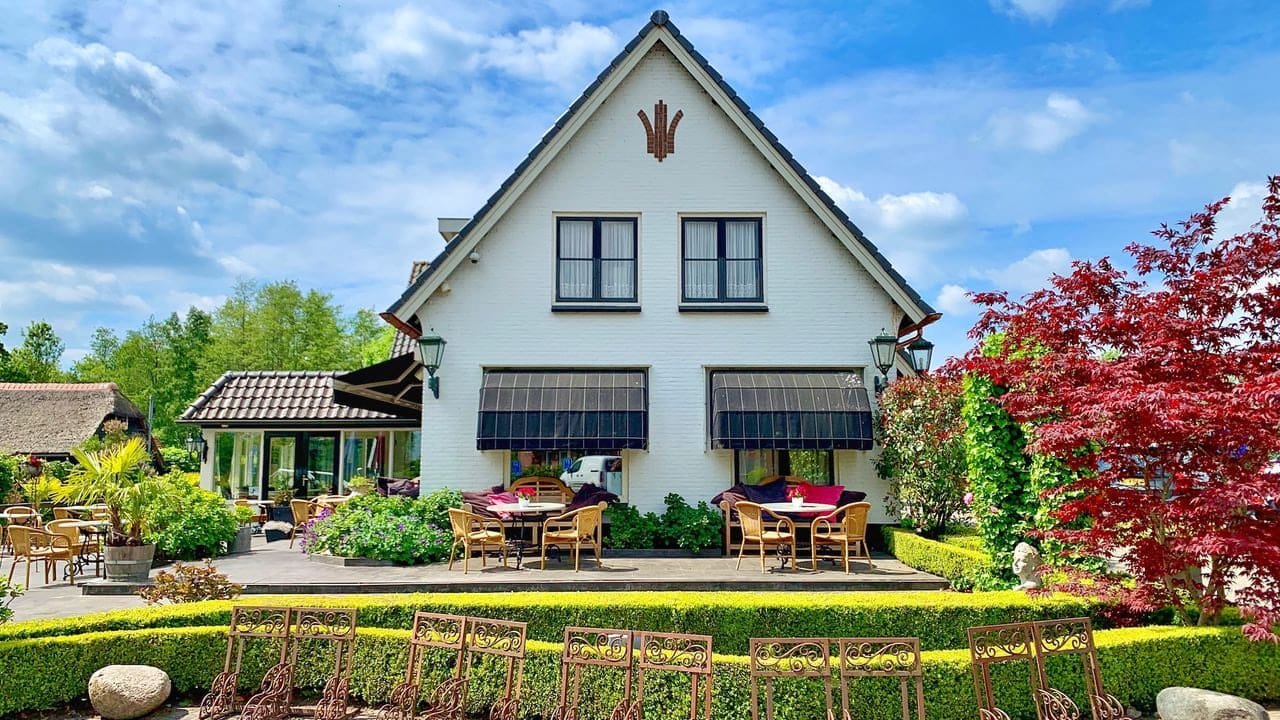
Breakfast at Hotel Des Indes, a city palace of 1858 that became a hotel in 1881 and has hosted everyone from Tsar Nicholas II to Churchill. Private transfer to Amsterdam Schiphol Airport.
We are here for that. Every Finders & Keepers Safaris itinerary is a starting point, not a fixed departure — the pace, the lodges, the length, the dates and the party travelling can all be reshaped around you. Tell us what you would change and a specialist will rebuild the journey and price it honestly, before you commit to anything.
Tailor This Journey →
Five nights at the Waldorf Astoria Amsterdam with the Rijksmuseum and Van Gogh, then tulips, Giethoorn and Kinderdijk’s windmills.
The Rijksmuseum’s Night Watch and Vermeer, and the Van Gogh Museum’s 200 paintings, 500 drawings and 700 letters.
A private cruise through the UNESCO-listed canal ring, working windmills, cheesemaking and a clog workshop at Zaanse Schans, and the windmills of Kinderdijk.
The Keukenhof’s tulips in season, the canal-laced village of Giethoorn, then Rotterdam, Delft and The Hague from Hotel Des Indes.
Hold 2027 for half the usual deposit
Confirm any 2027 departure with a 15% deposit instead of the usual 30%, booked before 31 December 2026.
The same unforgettable journey, priced by season.
Reserve today with a low early deposit to lock in your 2027 dates and pricing.
Spread the rest across convenient instalments, at a pace that suits you.
Final balance due one month before departure — nothing more to pay once you fly.
Travel wallet, city guide and a good pair of walking shoes
The Keukenhof opens for eight weeks a year
The Keukenhof runs from mid-March to mid-May — in 2026, 19 March to 10 May — and what is in bloom changes across it: crocuses, daffodils and early tulips in March, the main tulips and daffodils in April, and late tulips, irises and alliums in early May. Outside those dates Day 5 becomes Haarlem and the bulb-growing region instead, which is a genuinely good day in its own right rather than a consolation.
Schengen entry requirements apply
Private, tailor-made departures on your dates
A deposit of 30% is required to confirm your booking, with the balance due 60 days before departure. All itineraries can be tailored — extend a stay, add a destination, or adjust the pace to suit you. Comprehensive travel insurance covering trip cancellation, medical evacuation and personal effects is required for all guests. Your dedicated specialist remains on call throughout your journey for any changes or assistance you need.