Stand inside the Colosseum with a private guide
Fifty thousand spectators, eighty entrances, and a crowd that could clear the building in minutes. It was finished in AD 80 and remains the largest amphitheatre ever built.
The engineering is the part that survives best. Numbered entrances matched numbered tickets, so the whole audience was seated by rank without crushing; the seating ran strictly by class, senators at the front, women and the poor in the wooden tiers at the top. A retractable awning, the velarium, was worked by a detachment of sailors.
The floor is gone, which is why you look down into a maze of brick corridors. That is the hypogeum — two levels of tunnels, cells and thirty-odd lift shafts, where animals and scenery were raised into the arena on winches. Access to it is separately ticketed and limited, and worth arranging in advance.
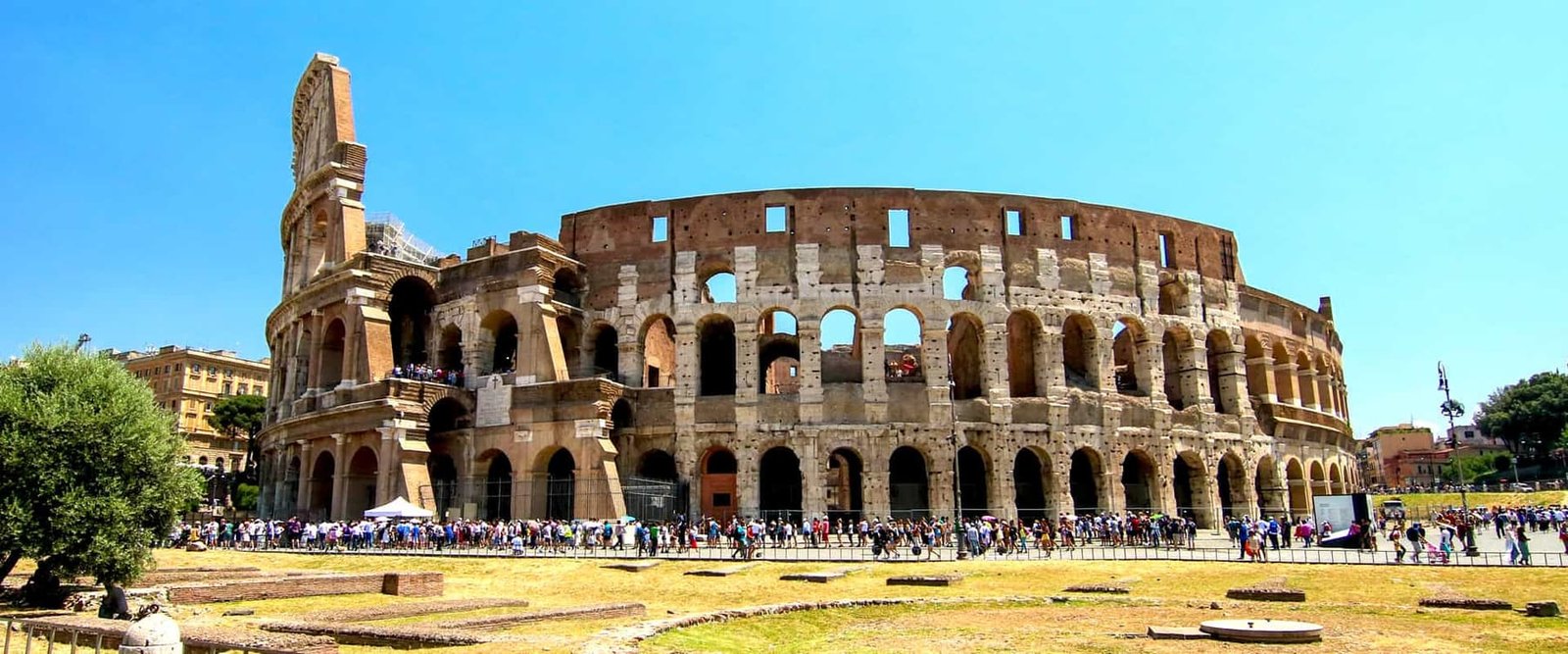
The building survived because it was useful: fortress, housing, workshops and quarry in turn. Much of Renaissance Rome, St Peter’s included, is built from stone taken off its outer wall, which is why one side stands full height and the other does not.
Good to Know
Availability, exact timings and pricing depend on your itinerary, hotel and season — your Finders & Keepers Safaris specialist will confirm details and slot this experience into your existing day-by-day plan.
The arena floor and the underground book separately
Standard tickets do not include the hypogeum or the reconstructed arena floor, and those slots are capped and sell out well ahead — we secure them when we build the day. The site is fully exposed; in a Roman July that argues strongly for the first slot. Combined tickets include the Forum and Palatine, and the Forum deserves its own hour rather than a walk-through.